What is Pollination | Its Types, Examples and Agents involved

Pollination is a process of transfer of pollen (the male gametes) from anther to stigma (a female part) in the flower of …
Pollination is a process of transfer of pollen (the male gametes) from anther to stigma (a female part) in the flower of …

Bacteria have survived billions of years growing everywhere on Earth despite being single-celled organisms. This incredible feat is possible due to their …

Fruits is the product of sexual reproduction in plants. Not all plant produce fruits and those which produce are classified as angiosperms. …

Bacteria are the earliest microorganisms on the earth. The external and internal characteristics of bacteria are a bit different from the rest …
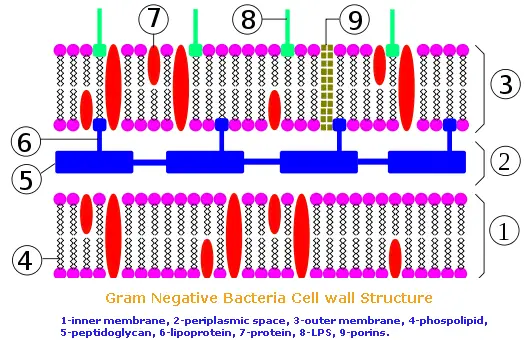
The bacteria cell wall is an important structure that is a rigid and non-living envelope around the cell. It is present just …
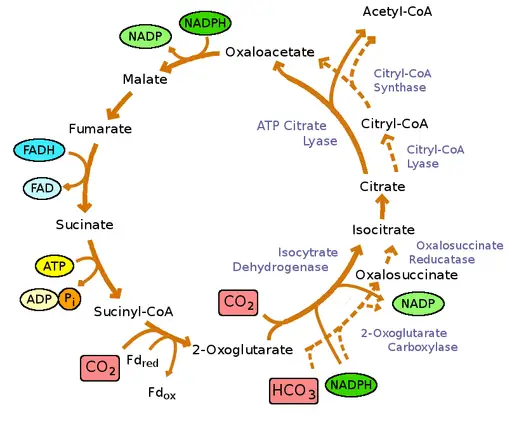
Biochemistry is an essential subject for medical, nursing, and pharma courses and those attending exams like the USMLE and MCAT. The subject …
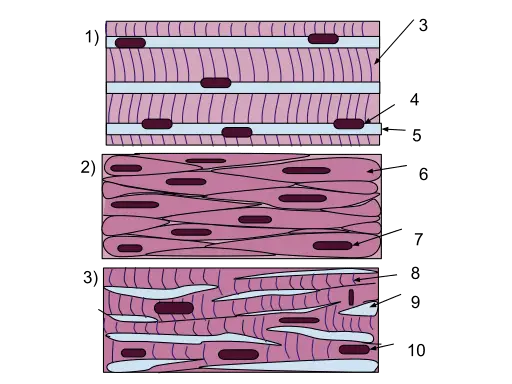
A “tissue” in anatomy is a group of similar cells. The human body is made of four basic tissue types which have …
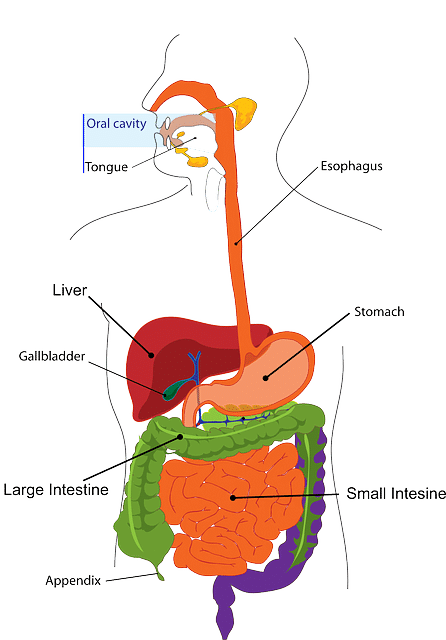
An organ is a structure made of different tissues and has a specific shape and function in the body. The human body …
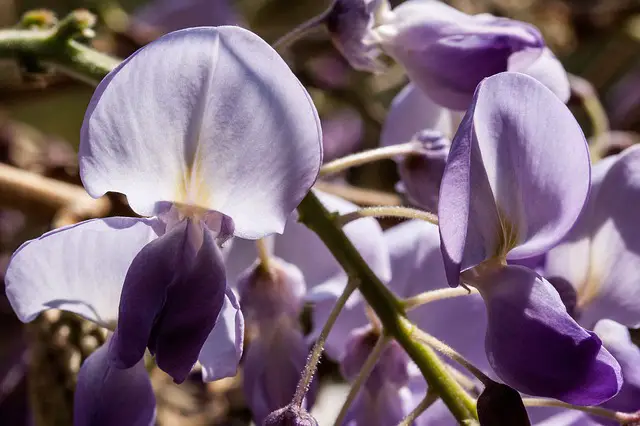
Alkaloids are the secondary metabolites of plants. Despite being biomolecules, they are considered waste materials by plants. The uses of alkaloids are based …
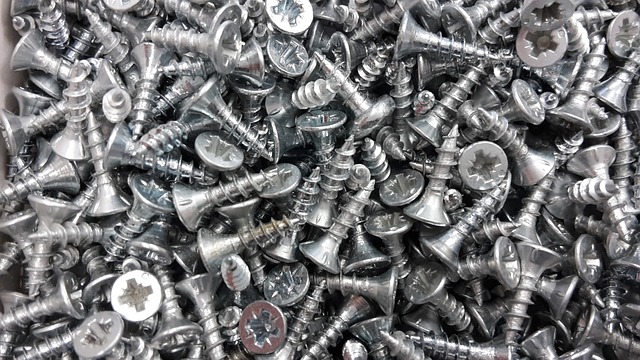
There are different kinds of metals based on physical and chemical properties like They are the hardest elements found on the earth. …