Skin Anatomy and Layers: Subcutaneous vs Intramuscular Injection Sites
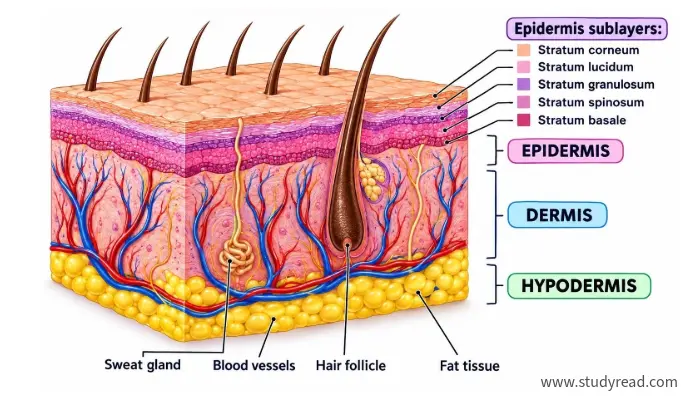
The skin is the largest organ of the body, forming the outer protective covering. It protects the body from injury, microbes, and …
The skin is the largest organ of the body, forming the outer protective covering. It protects the body from injury, microbes, and …
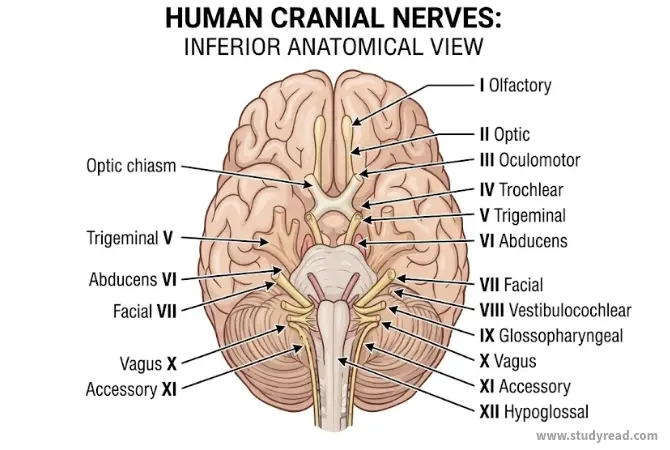
Twelve cranial nerves, twelve questions. This short quiz covers It takes just five minutes. Pick your best answer, then check explanations at …
Cranial nerves are 12 pairs of specialized nerves that arise directly from the brain and the brainstem rather than from the spinal …
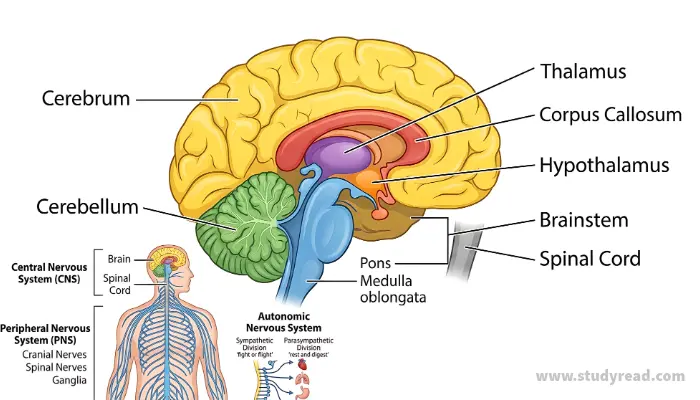
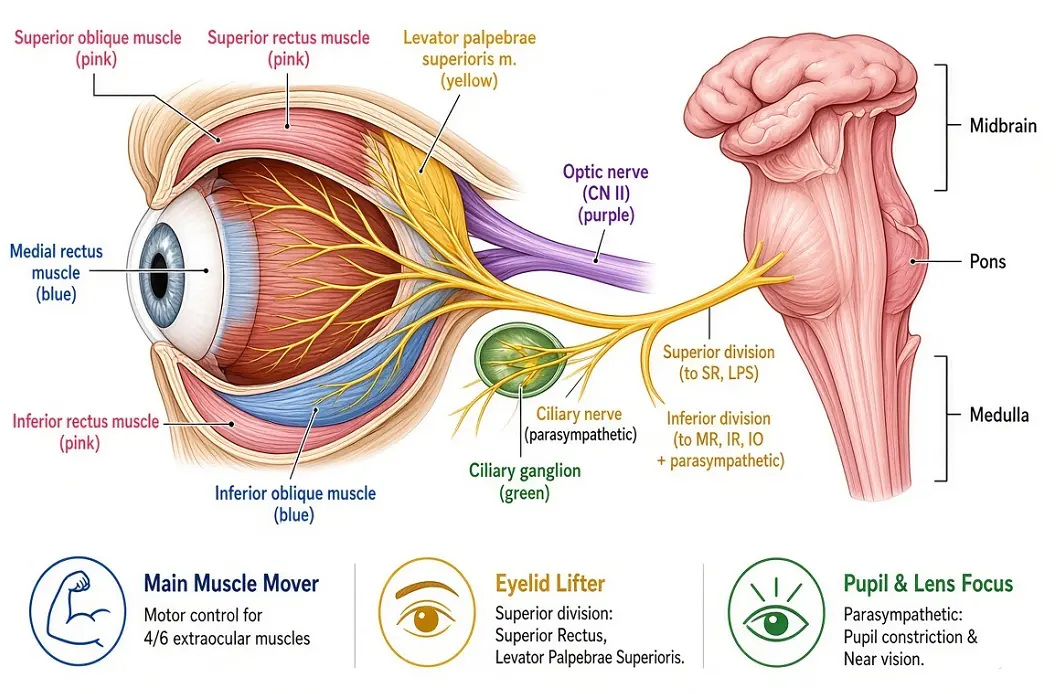
Anatomy questions on exams like the USMLE, NCLEX, or NAPLEX focus on functional localization—connecting a specific neurological deficit, stroke syndrome, or cranial …
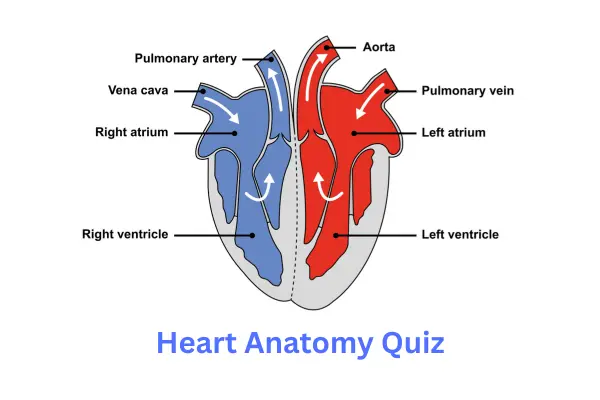
Cardiac anatomy helps one understand its disease conditions, treatment options, and drug action in clinical practice. Below are Heart anatomy quiz questions that …

The GI tract is an essential part of the body that helps in food intake, digestion, nutrition supply, and removing waste from …

The skeletal system, comprising bones and the bone marrow, works with the immune system to support the body’s optimal functions. The skeletal …

The digestive system is the only route of entry for food and other substances into the body. It is safeguarded by the …

The excretory system works intricately with the circulatory system to optimize body physiology and maintain homeostasis. The functions of the circulatory system …

The respiratory system maintains homeostasis by regulating blood pH and the concentrations of oxygen (O2) and carbon dioxide (CO2). It achieves internal …