Are Metabolic Pathways Related to the Cell Cycle

Metabolic pathways and the cell cycle are fundamental processes that drive cellular life. While seemingly distinct, they are intricately connected and interdependent. …
Metabolic pathways and the cell cycle are fundamental processes that drive cellular life. While seemingly distinct, they are intricately connected and interdependent. …

Enzymes are biomolecules that catalyze the conversion of a substrate into a product in living beings. These enzymes can be inhibited by 4 mechanisms, …
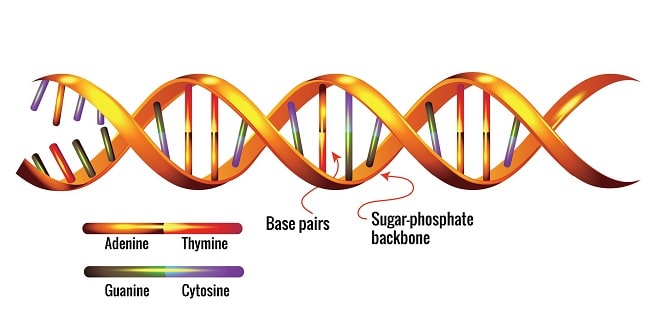
DNA and RNA are considered as the essential nucleic acids. Besides, ATP, i.e., adenosine triphosphate, is also a nucleic acid. These are …

Chromosomes are genetic material present in the cell nucleus. Chromatids are the parts of the chromosome present as two arms. Differences Between …
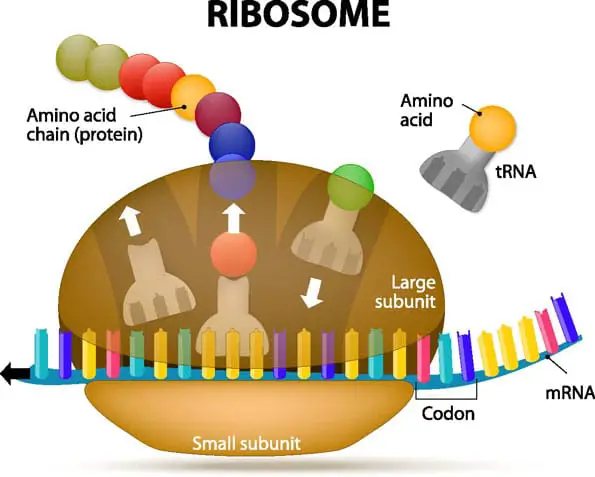
The translation is a process by which ribosomes present in the cytoplasm (on endoplasmic reticulum) synthesize the proteins from an mRNA. The …

Adenosine triphosphate (ATP) and Adenosine diphosphate (ADP) are the energy molecules of our body. Of them, ATP is the essential link between …
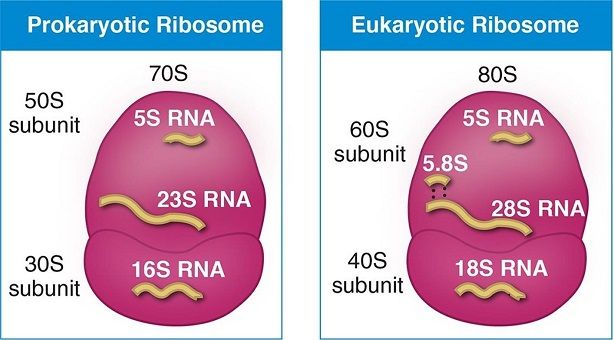
Ribosomes function is primarily limited to protein synthesis in the cells. But they also act as targets for few drugs in the …
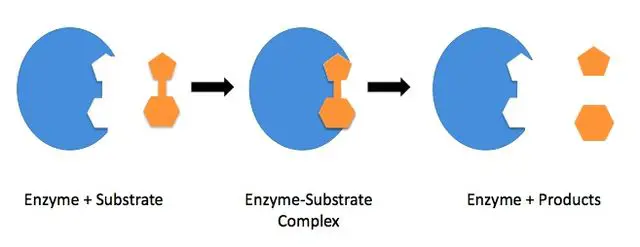
A substrate is a substance that converts into a product in the presence of enzymes. Most substrates have only one specific enzyme …

Chromosomes are DNA molecules containing part or whole genome of an organism. They are present in the nucleus of the cell. Chromosomes …
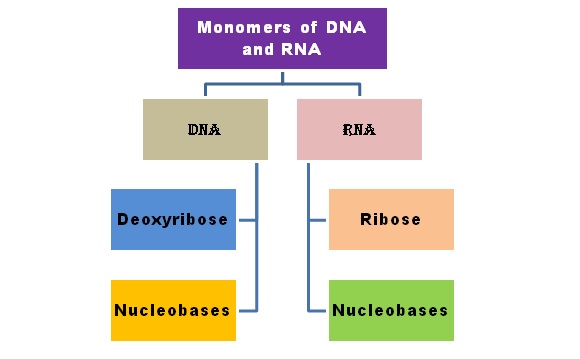
Monomers are single-unit molecules that combine with each other to form Polymers. Both the DNA and RNA are polymers made of 4 …