Protozoa vs Bacteria | Their Basic Differences in Detail
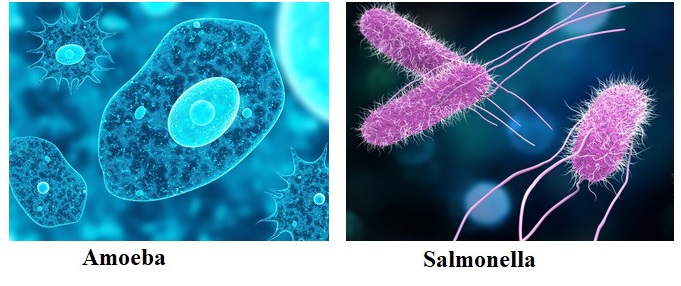
Protozoa and bacteria are both unicellular organisms that survive independently. They have many similarities like in food habits, reproduction, habitat, parasitic behavior, …
It deals with study of microbes and their effects on the body. It also tells how to handle the microorganisms for human use
Protozoa and bacteria are both unicellular organisms that survive independently. They have many similarities like in food habits, reproduction, habitat, parasitic behavior, …
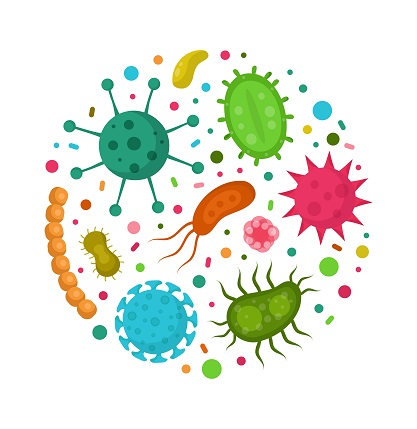
Antibiotics and antibodies are substances that can eradicate the bacteria in the body. They are quite similar in that they are meant …

Bacteria are broadly classified as gram-positive and gram-negative bacteria based on the Gram stain. But both types are Prokaryotic cells and similar in many aspects. …
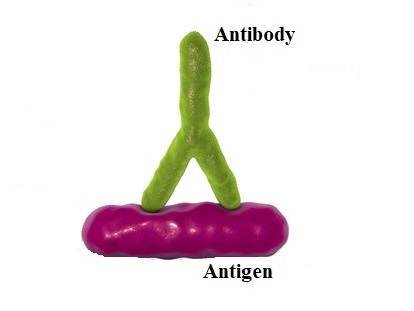
An antigen is an agent located on the foreign cells, which the immune system recognizes. It is an immunogenic portion present on …
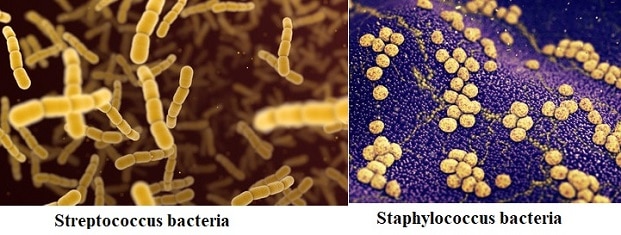
Streptococcus and Staphylococcus bacteria are widely found in humans and animals. They are non-motile, do not undergo spore formation, and are even …
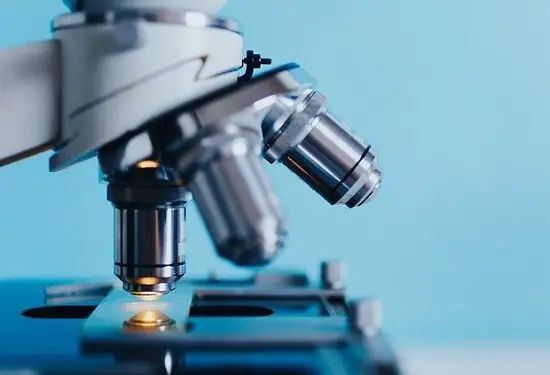
A microscope is a device used to observe minute objects invisible to the naked eye. It is one of the important discoveries …
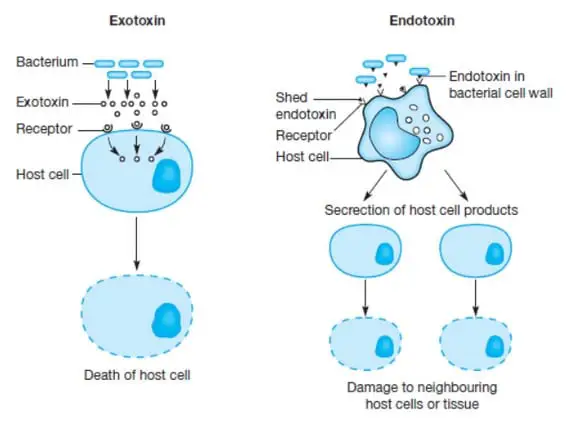
Bacteria release substances that are harmful to the host. These are exotoxins and endotoxins. Exotoxins are toxic substances that are secreted by …
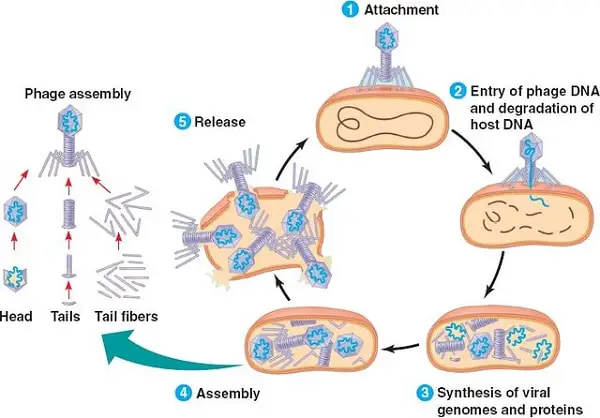
A virus undergoes multiplication inside the host cells to produce a number of virions. This occurs as the virus genome takes control …
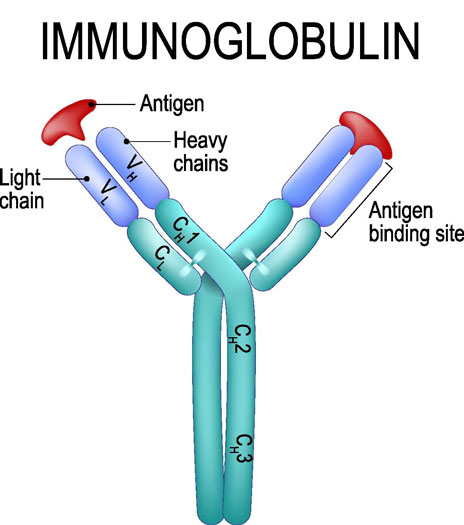
Monoclonal antibodies are those antibodies that target a specific (single-source) antigens. Due to this specificity, these antibodies are used in clinical therapy …

The bacteria and virus are different set of pathogens or living entities. Both of them are microscopic but virus is 10 to …