Tachyphylaxis vs Tolerance vs Desensitization: Key Differences & Mechanisms
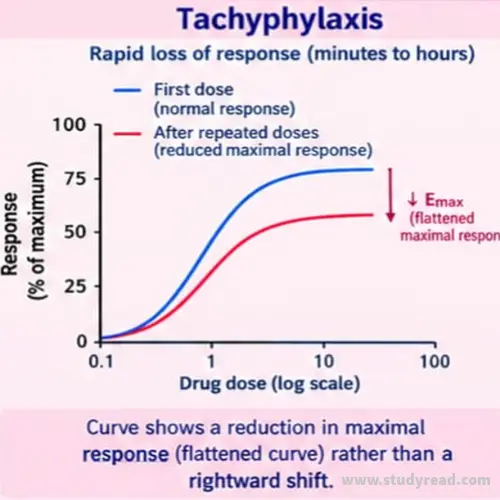
Repeated drug administration sometimes leads to a lack of sufficient response from the body. This reduction in drug response occurs due to …
Pharmacology is the study of pharmcokinetics and pharmacodynamics. These explain aspects like how the body handles the drugs and how the drug works in the body.
Repeated drug administration sometimes leads to a lack of sufficient response from the body. This reduction in drug response occurs due to …
Ozempic (semaglutide) is a selective GLP-1 receptor agonist; Mounjaro (tirzepatide) is a dual GIP/GLP-1 receptor agonist. In all the head-to-head experiments conducted …
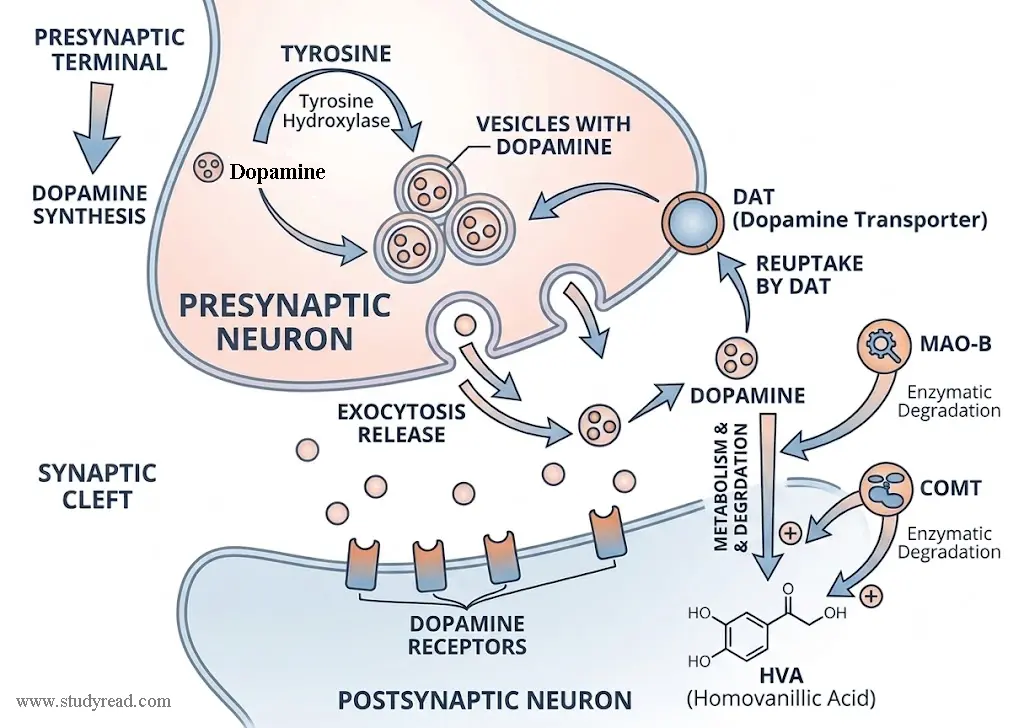
Dopamine is an important neurotransmitter that regulates movement, cognition, motivation, reward, and endocrine function. This dopamine acts through different dopaminergic Receptors to …
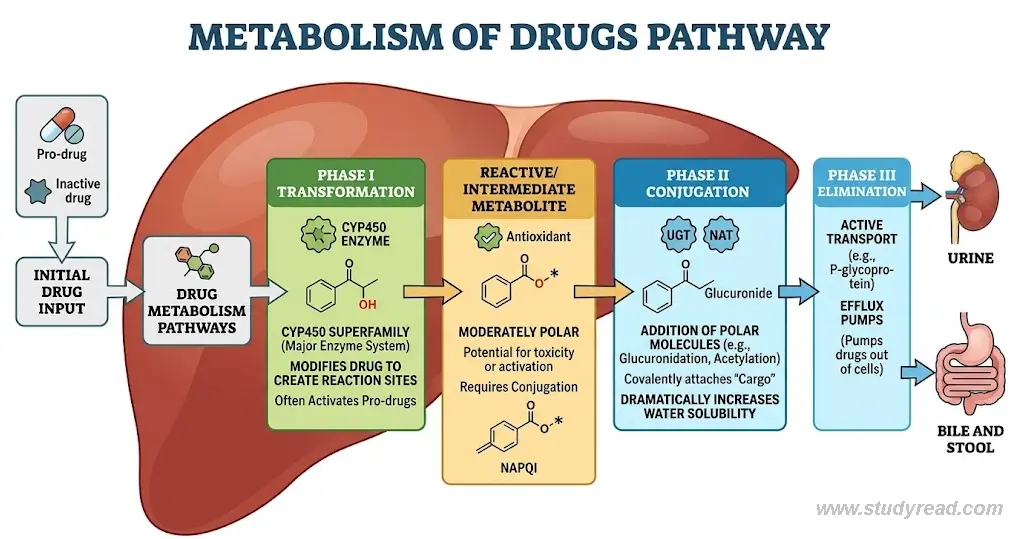
Drug metabolism (biotransformation) is a process by which the body converts drugs and pharmaceuticals into compounds that are more easily water-soluble for …
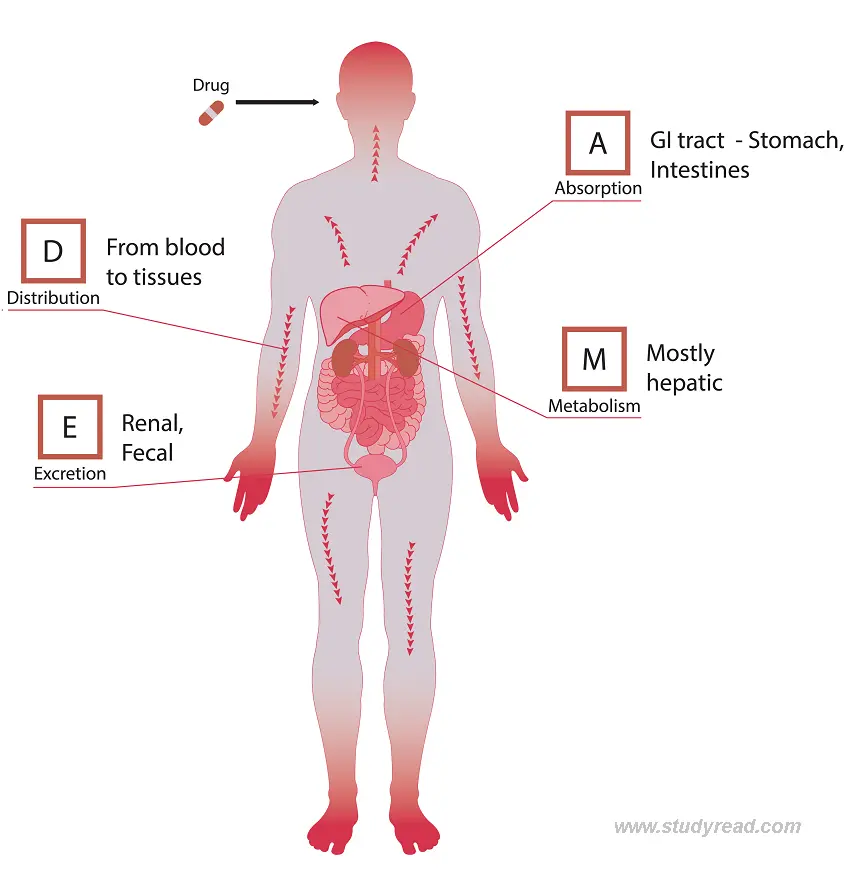
When we take a medicine, two essential processes are in action: pharmacokinetics (PK) and pharmacodynamics (PD) Pharmacokinetics asks: “What does the body …

Disclaimer: This article is for educational purposes only and does not constitute medical advice. Always consult a healthcare professional before starting any …

The pharmacological management of Type 2 Diabetes Mellitus (T2DM) has undergone a major shift over the last decade, moving from a “glucose-centric” …

For decades, the American medical approach to obesity and Type 2 Diabetes was rooted in a “lifestyle-first” model that often failed to …
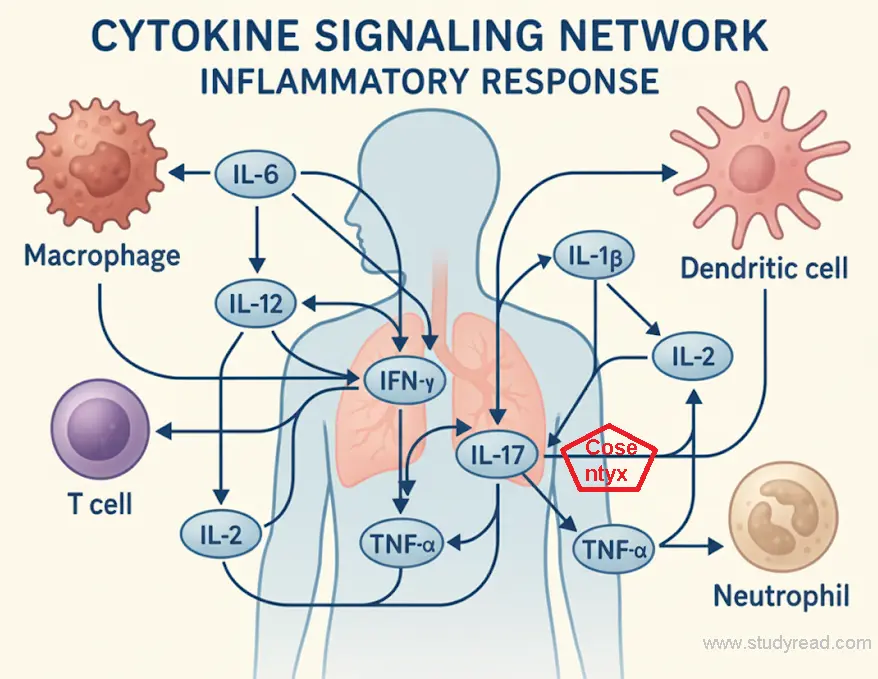
Cosentyx (secukinumab) is a medication prescribed to treat autoimmune diseases like psoriasis, inflammatory arthritis, ankylosing spondylitis, etc, in both children and adults. …

Pharmacology is a branch of medical science that deals with a drug’s action and its fate in the body. It has two …