Pharmacology vs Toxicology | 10 Basic Differences

Pharmacology is a science that studies the effect of a drug and the body’s response to it. It is aimed at bringing …
Pharmacology is the study of pharmcokinetics and pharmacodynamics. These explain aspects like how the body handles the drugs and how the drug works in the body.
Pharmacology is a science that studies the effect of a drug and the body’s response to it. It is aimed at bringing …
JAk stands for Janus kinase, and STAT for signal transducers and activators of transcription (JAK/STAT). These pathways are indeed one of the …

The parenteral route of administration is a method by which the drug bypasses the gastrointestinal tract. Here the drug is given from …

Drugs are given in different forms. There are many forms of drugs to suit the needs of individual patients. The same drug …

When animals are used for testing, we inflict severe pain on them. Sometimes it leads to permanent disability and even death. But, …
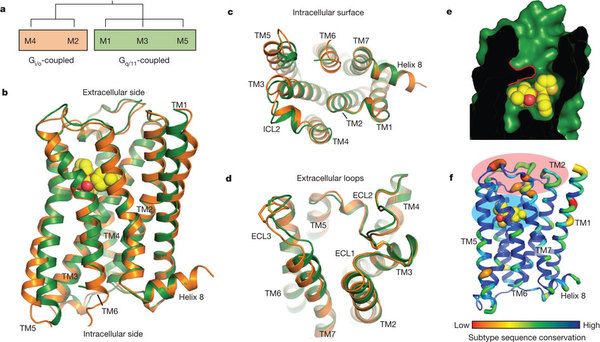
Muscarinic receptors are a part of the parasympathetic system. They are stimulated by the neurotransmitter acetylcholine, which is released at nerve endings. …
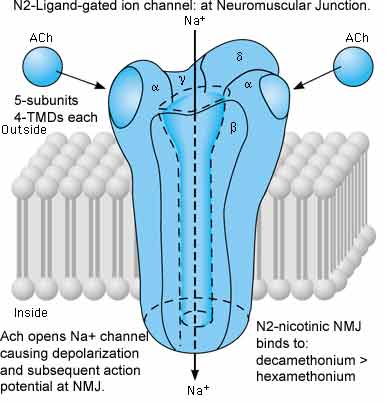
Nicotinic receptors are of two types as These receptors, along with the muscarinic receptors, are called cholinergic receptors as the neurotransmitter acetylcholinesterase …
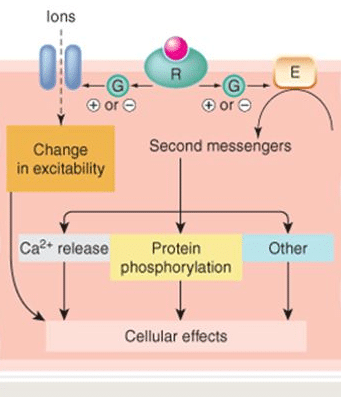
Both the enzymes and receptors are targets for drug action and many biomolecules in the body. Further, they both are proteinaceous in …
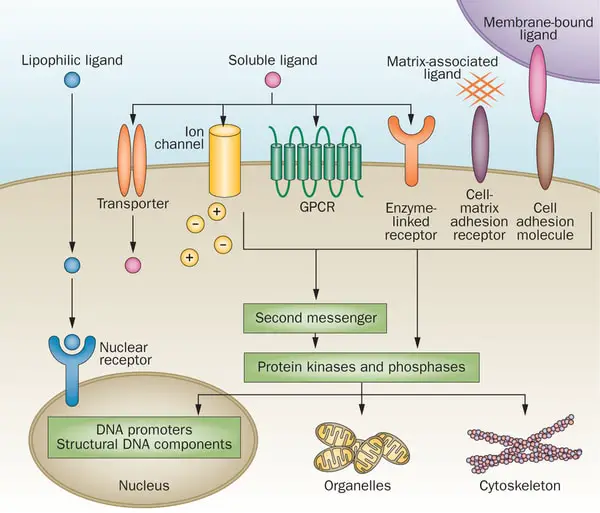
Receptors are the elements that convey a signal into the cell. These sensing elements communicate signals received from the ligand into the …

I.V therapy or intravenous therapy is a mode of treatment where the drug or nutrients are given through the venous route of …