How does the Respiratory System Maintain Homeostasis?

The respiratory system maintains homeostasis by regulating blood pH and the concentrations of oxygen (O2) and carbon dioxide (CO2). It achieves internal …
The respiratory system maintains homeostasis by regulating blood pH and the concentrations of oxygen (O2) and carbon dioxide (CO2). It achieves internal …

The digestive system and endocrine system are two essential organ systems in the human body. These systems work together to ensure proper …

The human body functions as a complex network of interdependent organ systems. Of these, the digestive system and circulatory system play crucial …

The digestive system is the only way solids and liquids should enter the body. If not, the body would reject and try …

The muscular system and the digestive system interact in various ways for the benefit of the body. The muscles of the muscular …

The cell cycle is the process by which a cell undergoes growth and cell division. Every living cell is in certain phases …
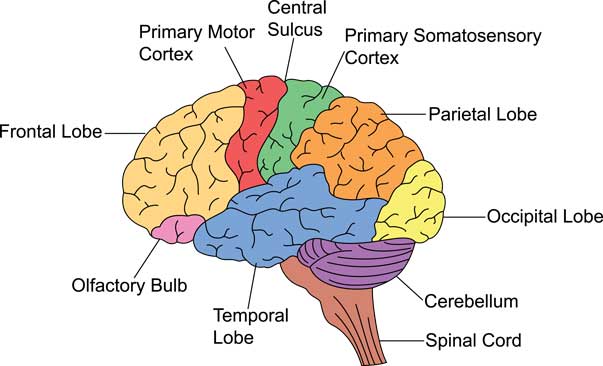
Solid organs are those that are not hollow internally. They have a fixed shape and size and are devoid of any vacant …
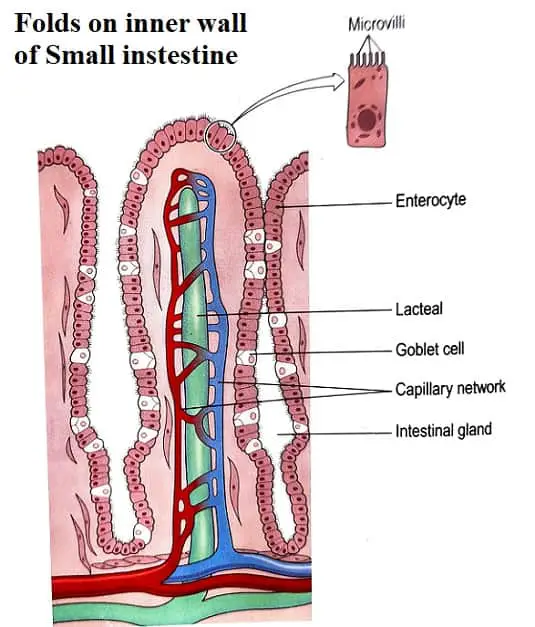
Microvilli were first seen by Granger and Baker in 1950 on intestinal epithelial cells by electron microscopy. They appear as brush bristles …
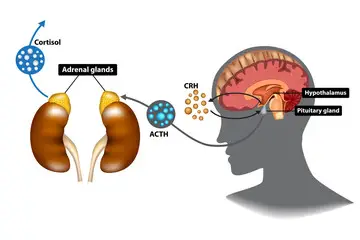
There are many secretory organs in the human body. This includes Endocrine glands Exocrine glands Other organs All the above organs secrete …

The human body is made of many organs with different structures and functions. Of them, there are many hollow organs like These …