PCR Protocol | A Step by Step Procedure
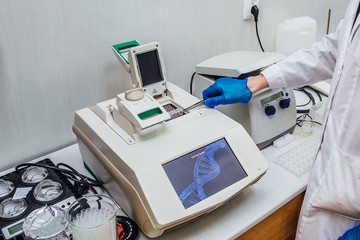
The polymerase chain reaction, or PCR, was originally developed by Kary Mullis, for which he was awarded the Nobel Prize in 1993. …
Chemical analysis is a branch of chemistry which help to evaluate chemical compound. Tests for qulitative and quantitative analysis are discussed
The polymerase chain reaction, or PCR, was originally developed by Kary Mullis, for which he was awarded the Nobel Prize in 1993. …

Arsenic is a heavy metal that is very harmful. Besides, as an impurity, it also creates instability in pharmaceutical preparations. However, it …
Lead is one of the toxic heavy metals and its presence is undesirable in medicinal substances. The lead contamination can occur due …
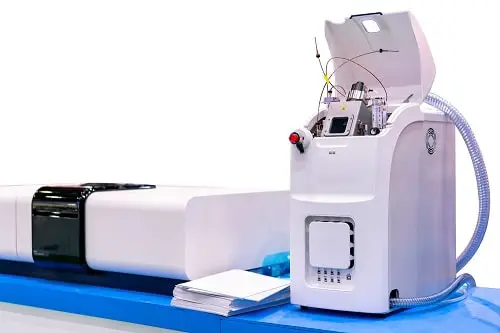
Mass spectrometry is used to determine the mass and molecular structure of a compound. Unlike other spectroscopy techniques, here the electromagnetic radiation …
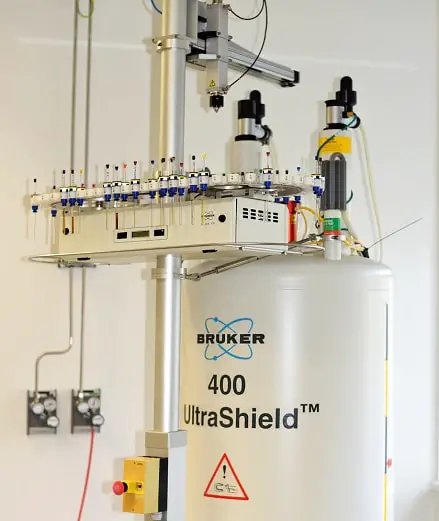
Nuclear magnetic resonance spectroscopy is one that studies the spin changes at the nuclear level. This spin change occurs when a radio …

Limit test for iron is a semi-quantitative test used to check the iron impurities in an official sample. Principle: This test is …
Limit test for sulphates is based on the principal of precipitation of sulfate ions by barium chloride. It is done to check …
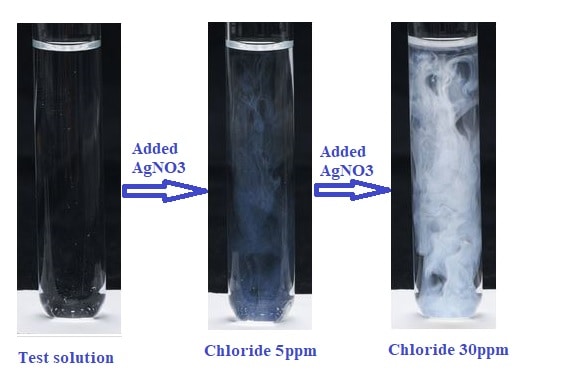
Limits test for chloride is a semi-quantitative analytical test to check the chloride impurities in a given pharmaceutical sample. It is performed …

Gas chromatography is one of the most widely used analytical tools. The applications of gas chromatography include Qualitative analysis Testing the purity …
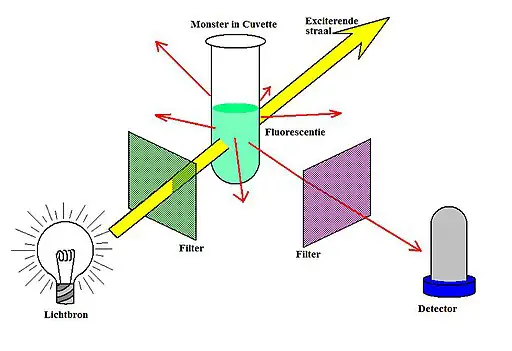
Fluorimetry is a type of spectroscopy that measures the emitted radiation from a substance. This radiation is one that is emitted by …