11 Types of Anatomy | Systemic and Gross

Anatomy is the science that deals with studying the internal structure of a body. The word anatomy comes from the Greek word …
Anatomy is the science that deals with studying the internal structure of a body. The word anatomy comes from the Greek word …
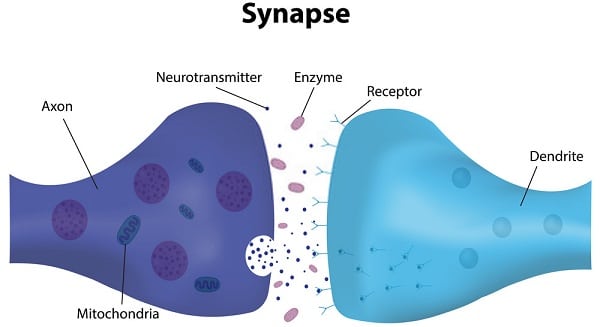
The primary function of the nervous system is the transmission of signals and communication. This is achieved through transmission through synapses. A …
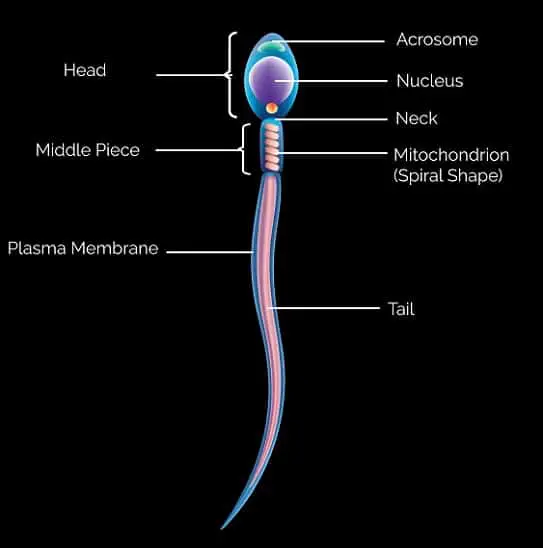
The sperm (male gamete) fuses with an ovum (female gamete) to form a zygote that develops into an individual. But human cells …
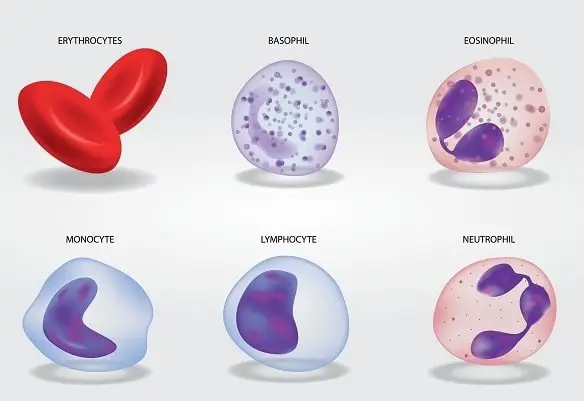
Blood is the liquid connective tissue and is part of the body’s circulatory system. This blood acts as a transport medium and …
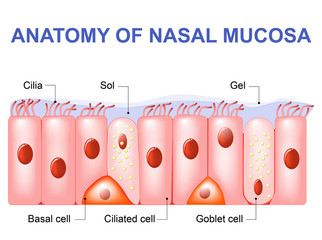
Cilia and Flagella are the cell organelles meant for the movement of the cells or substances. Cilia are short, slender, hair-like structures …

The nervous system is a key organ system that regulates the human anatomy and physiology. The autonomic nervous system regulates the body’s …
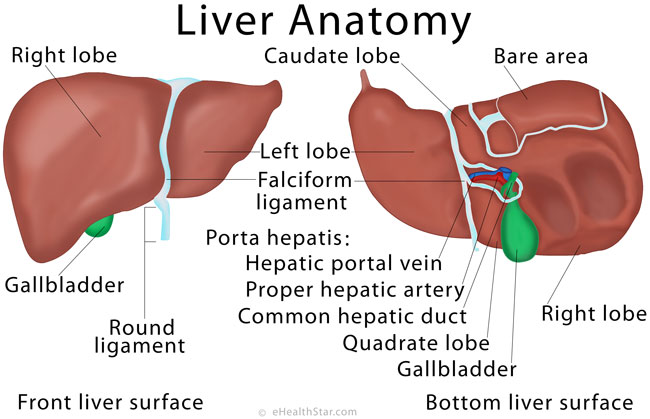
The liver is the largest gland of the human body, weighing about 1300 grams in females and 1600 grams in males. It is a …

Bone is a specialized and constantly changing connective tissue, having general characteristics of connective tissues like Classification of Bones: Bones are classified …
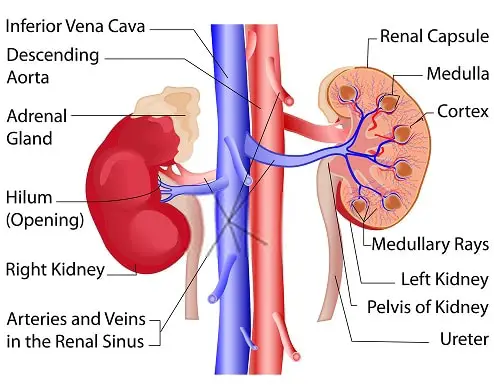
The kidney is the primary organ of excretion in the human body. A pair of kidneys is attached to the posterior abdominal …
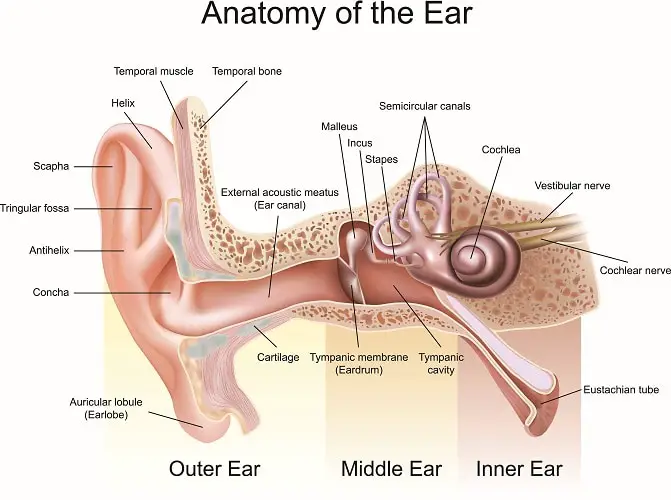
The ear is the 2nd important sense organ in the Human Body after the eye. A pair of ears is present, one …