What is Soil ? Its Definition, Properties & Features
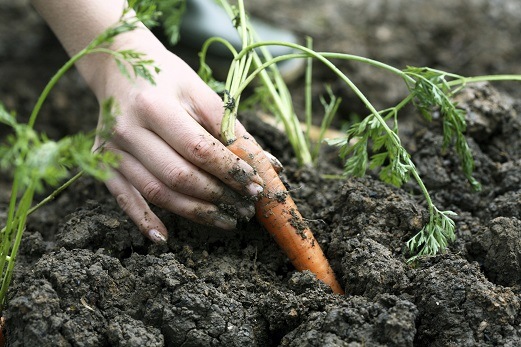
Soil is the surface layer of the earth’s land mass that is soft and particulate in nature. It is the very base …
Soil is the surface layer of the earth’s land mass that is soft and particulate in nature. It is the very base …
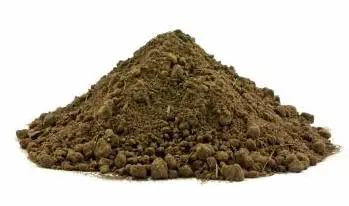
The soil is one of the most valuable natural resources available to us. The importance of soil and its uses include Fertility to …

Seeds are dormant forms of life of the plants. They contain the endosperm which is the nutrition required for the embryo to …

Plant growth hormones are set of biochemical secretions inside the plant and its parts which regulate the growth, enlargement, multiplication of the …
Conservation of plants refers to preservation, repair, or restoration of plant population on the earth. Plants are easily destroyed by strong wind …
Plants are essential living organisms on the earth. They are essential because none of the animals, including humans, can survive without them. …

Biology is the study of living organisms in the world. These include the plants, animals, and microbes in nature around us. Importance …

Plastic pollution is a life-threatening issue as it contaminates the land and water resources. Since it does not degrade faster, it leads …
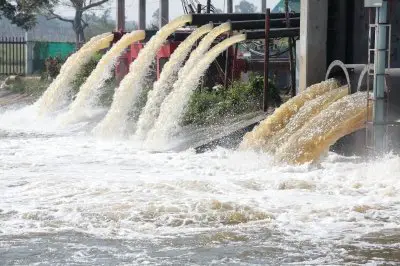
Water pollution is the contamination of water so that it is unfit for consumption and even dangerous for animals. The leading causes …

Air pollution is one of the most prominent types of pollution affecting life on earth. The Causes of air pollution include It …