Limit Test for Arsenic with Apparatus and Reaction

Arsenic is a heavy metal that is very harmful. Besides, as an impurity, it also creates instability in pharmaceutical preparations. However, it …
Arsenic is a heavy metal that is very harmful. Besides, as an impurity, it also creates instability in pharmaceutical preparations. However, it …

An earthworm’s Digestive System is quite similar to that of higher animals. It ingests food by the pumping action of its pharynx. …

Blood is the liquid connective tissue and is part of the body’s circulatory system. This blood acts as a transport medium and …
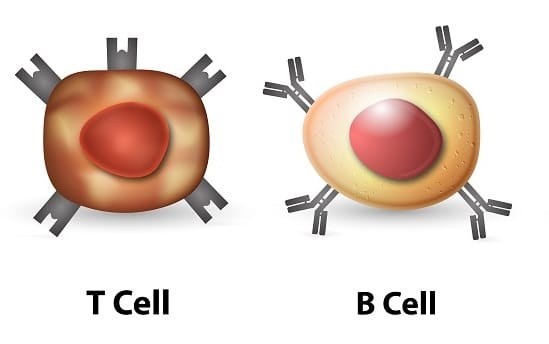
T lymphocytes and B lymphocytes are both white blood cells involved in the fight against infections in our bodies. They provide immunity …
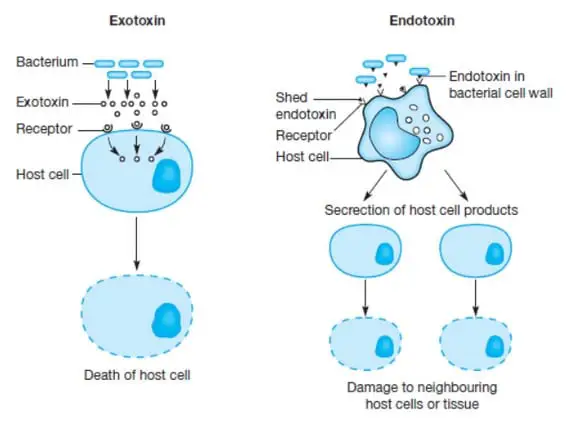
Bacteria release substances that are harmful to the host. These are exotoxins and endotoxins. Exotoxins are toxic substances that are secreted by …

The digestive system of the frog includes the alimentary canal (alimentary tract) and the various associated digestive glands. Digestive System of Frog …
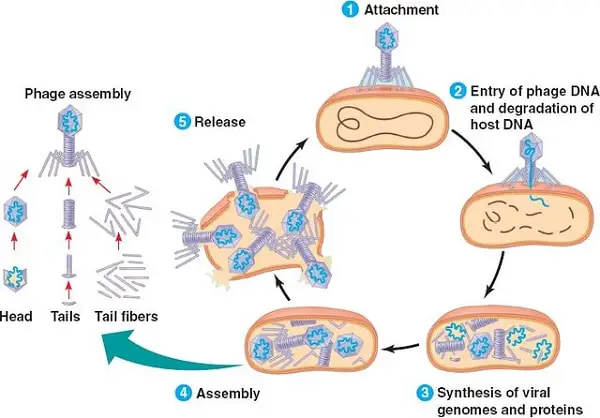
A virus undergoes multiplication inside the host cells to produce a number of virions. This occurs as the virus genome takes control …
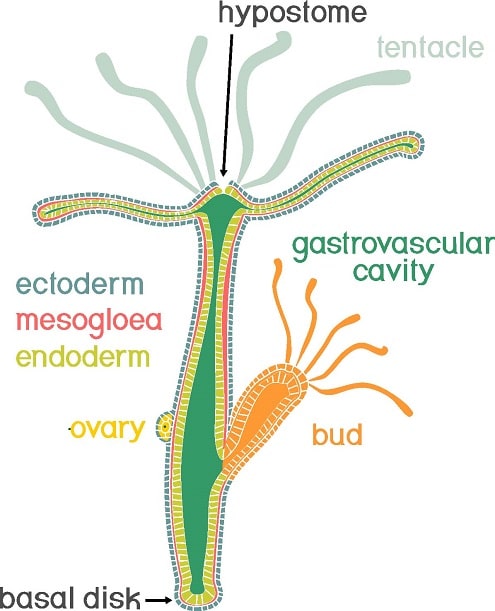
Hydra is a freshwater organism belonging to the phylum Cnidaria. It is a multi-cellular organism, yet it is not highly evolved in …
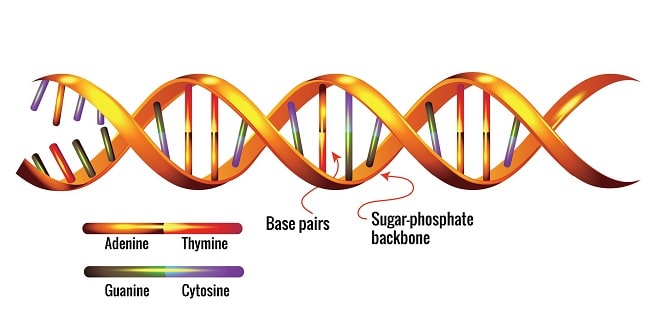
DNA and RNA are considered as the essential nucleic acids. Besides, ATP, i.e., adenosine triphosphate, is also a nucleic acid. These are …

The root is the descending part of the plant axis, which lies inside the soil. It contains the following parts like The …