25 Differences between Gram-positive and Gram-negative bacteria

Bacteria are broadly classified as gram-positive and gram-negative bacteria based on the Gram stain. But both types are Prokaryotic cells and similar in many aspects. …
Bacteria are broadly classified as gram-positive and gram-negative bacteria based on the Gram stain. But both types are Prokaryotic cells and similar in many aspects. …

Anatomy is the science that deals with studying the internal structure of a body. The word anatomy comes from the Greek word …
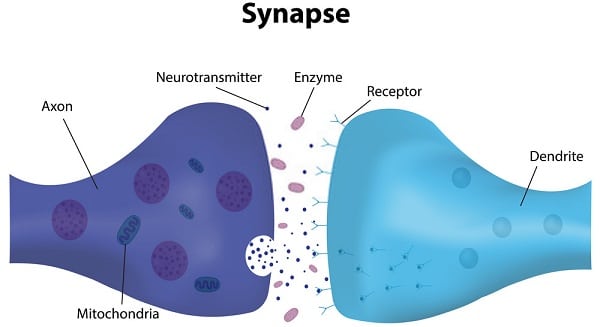
The primary function of the nervous system is the transmission of signals and communication. This is achieved through transmission through synapses. A …
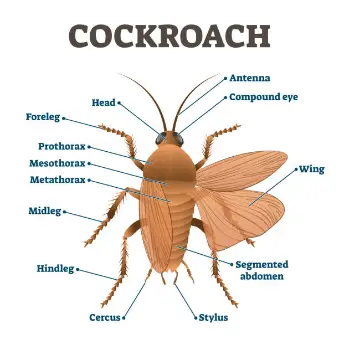
The anatomy of a cockroach can be viewed as the external and the internal anatomy. It is an insect and its structure …

The circulatory system is one of the most important organ systems of our body. It is essential for the transport of gases, …
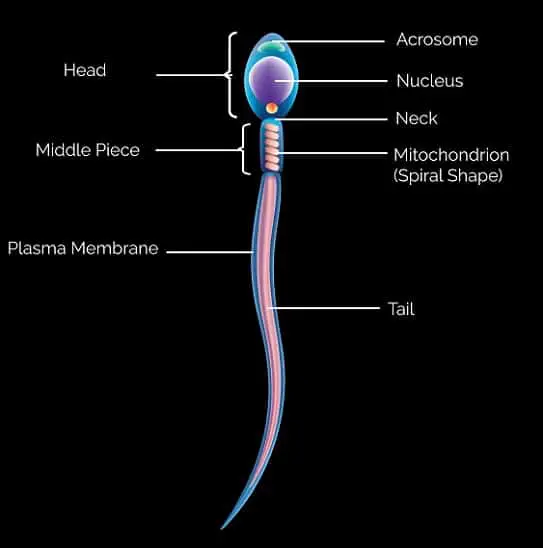
The sperm (male gamete) fuses with an ovum (female gamete) to form a zygote that develops into an individual. But human cells …
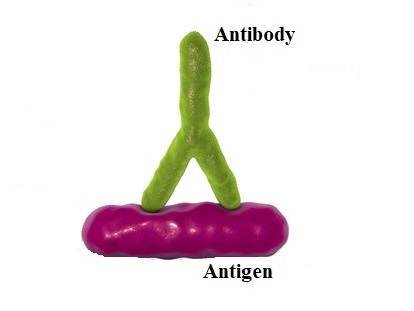
An antigen is an agent located on the foreign cells, which the immune system recognizes. It is an immunogenic portion present on …
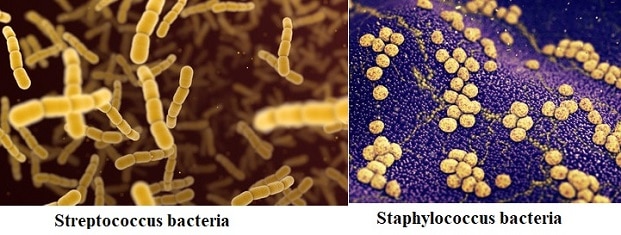
Streptococcus and Staphylococcus bacteria are widely found in humans and animals. They are non-motile, do not undergo spore formation, and are even …
A microscope is a device used to observe minute objects invisible to the naked eye. It is one of the important discoveries …

The root is a part of the plant present under the soil. Its primary function is to absorb water and minerals that …