Metabolism of Drugs: Mechanisms, Phase I-III Pathways, and Clinical Factors
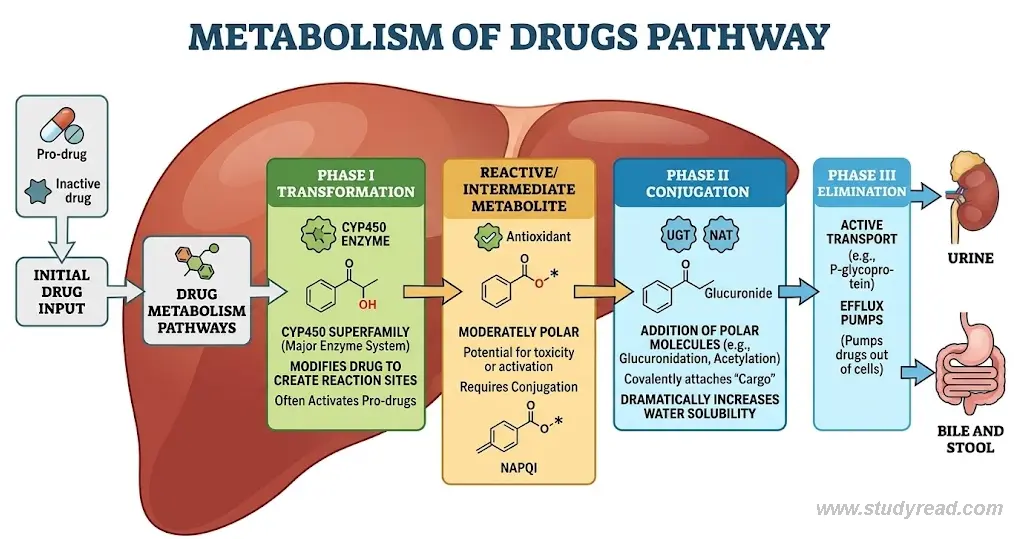
Drug metabolism (biotransformation) is a process by which the body converts drugs and pharmaceuticals into compounds that are more easily water-soluble for …
Drug metabolism (biotransformation) is a process by which the body converts drugs and pharmaceuticals into compounds that are more easily water-soluble for …
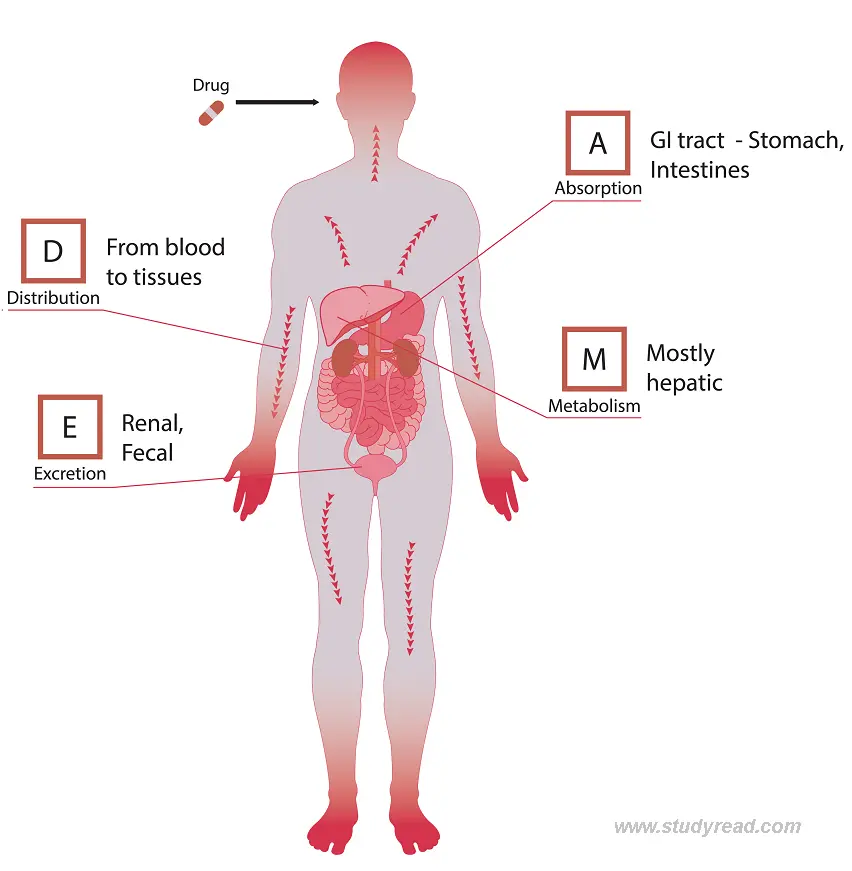
When we take a medicine, two essential processes are in action: pharmacokinetics (PK) and pharmacodynamics (PD) Pharmacokinetics asks: “What does the body …

Disclaimer: This article is for educational purposes only and does not constitute medical advice. Always consult a healthcare professional before starting any …

The pharmacological management of Type 2 Diabetes Mellitus (T2DM) has undergone a major shift over the last decade, moving from a “glucose-centric” …

For decades, the American medical approach to obesity and Type 2 Diabetes was rooted in a “lifestyle-first” model that often failed to …
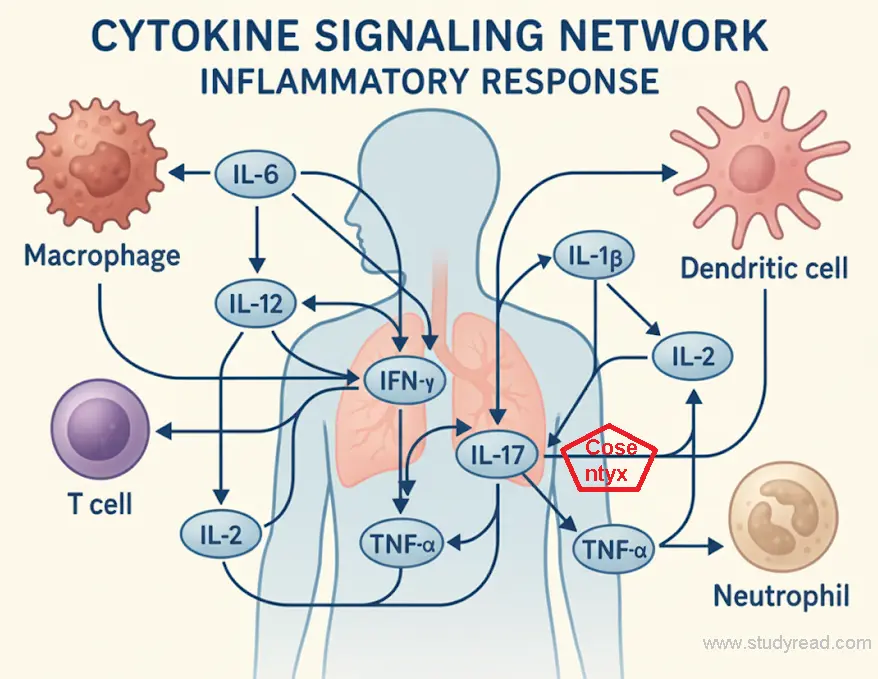
Cosentyx (secukinumab) is a medication prescribed to treat autoimmune diseases like psoriasis, inflammatory arthritis, ankylosing spondylitis, etc, in both children and adults. …

Metabolic pathways and the cell cycle are fundamental processes that drive cellular life. While seemingly distinct, they are intricately connected and interdependent. …

Carbon dioxide, a natural gas in the air, is also widely generated as automobile and industrial exhaust, causing global warming and climate …
The cow’s eye is an organ of incredible complexity. It is a small and delicate organ but allows a cow to see …
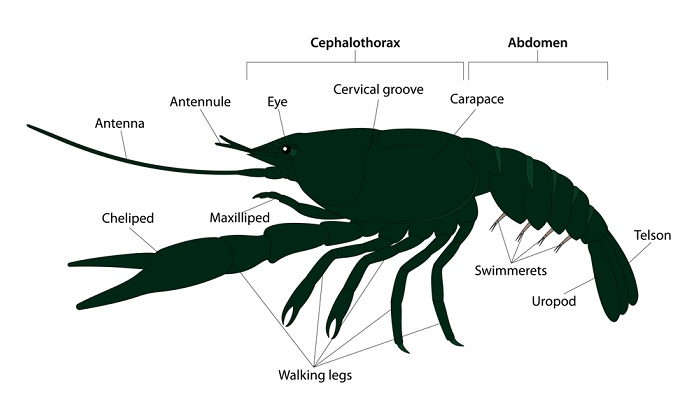
The crayfish belongs to the Phylum Arthropoda, which includes organisms having an exoskeleton, jointed appendages, and segmented bodies. The word “Arthropoda” literally …