Microvilli Structure, Function, Location and Significance
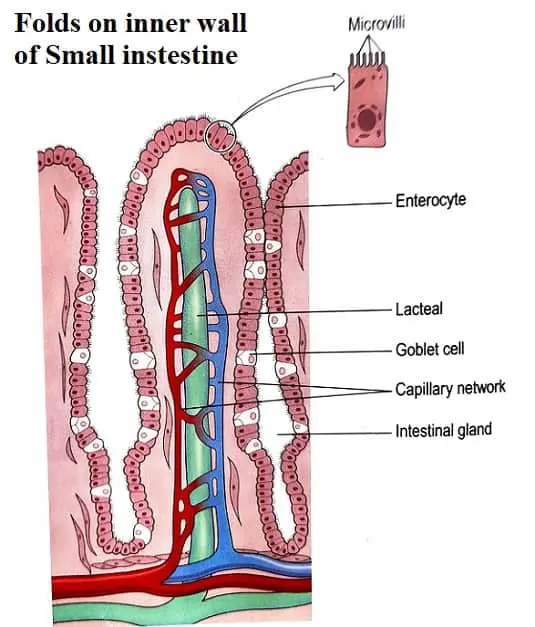
Microvilli were first seen by Granger and Baker in 1950 on intestinal epithelial cells by electron microscopy. They appear as brush bristles …
Microvilli were first seen by Granger and Baker in 1950 on intestinal epithelial cells by electron microscopy. They appear as brush bristles …
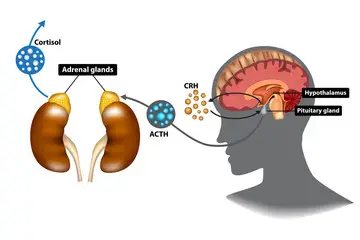
There are many secretory organs in the human body. This includes Endocrine glands Exocrine glands Other organs All the above organs secrete …

The human body is made of many organs with different structures and functions. Of them, there are many hollow organs like These …
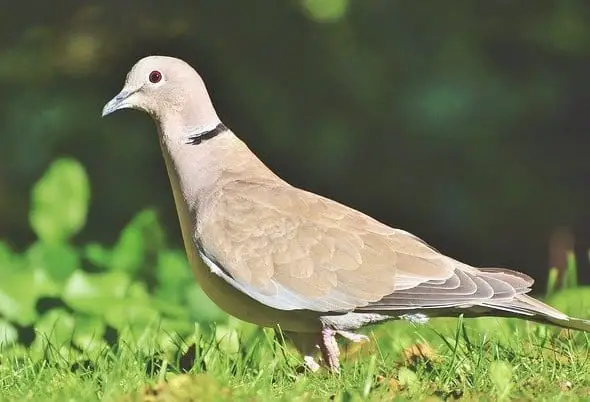
Birds are vertebrate animals that have a distinct ability to fly. Unlike mammals and reptiles, their forelimbs are modified into wings, which …
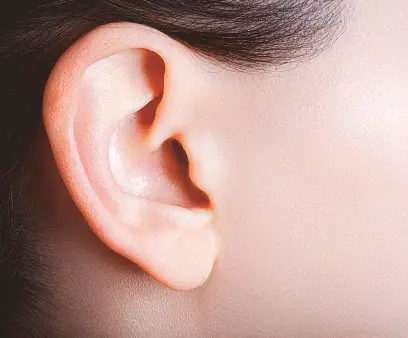
The human body has 5 sense organs that are essential for life. These include They are special because they provide up to …

Rocks and stones are naturally formed solid matter. They are hard, robust, and long-lasting. They are beneficial to both men and the …
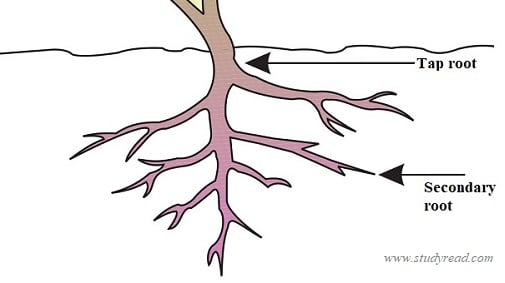
A root system is part of the plant that holds it to the ground and supply water and other essential nutrients. All …
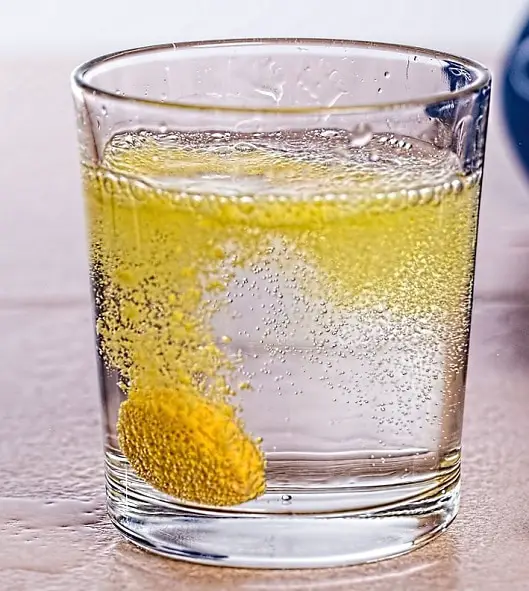
A material can undergo either a chemical change, physical change, or sometimes both. The key differences between chemical and physical change are …
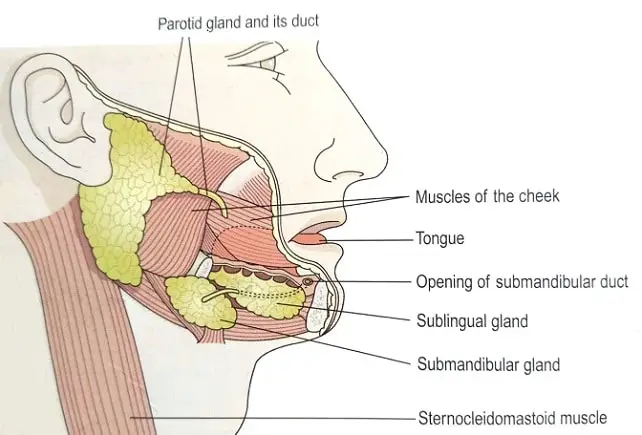
Salivary glands are the exocrine glands that help to keep the mouth moist. They are the accessory organs of the digestive system, …
The polymerase chain reaction, or PCR, was originally developed by Kary Mullis, for which he was awarded the Nobel Prize in 1993. …