Metabolism is the chemical change that occurs in the presence of enzymes. These processes help convert food into energy, build cellular structures, and detoxify harmful substances, such as drugs, for excretion.
Metabolism is divided into two primary pathways:
- Anabolism (Building): Here, smaller molecules are combined to form larger ones. This process is vital for body growth, tissue maintenance, and the storage of energy reserves during starvation.
- Catabolism (Breaking Down): Larger molecules are broken down into smaller units. This process releases energy and is essential for wound healing, cellular repair (apoptosis), and the expulsion of toxic waste through solubility.
While metabolism occurs in almost every cell, the Liver is the body’s primary metabolic organ, supported by the kidneys, lungs, and skin.
| Feature | Anabolism (Synthesis) | Catabolism (Breakdown) |
| Energy Change | Endergonic (Requires Energy) | Exergonic (Releases Energy) |
| Molecules | Simple → Complex | Complex → Simple |
| Examples | Protein Synthesis, DNA Replication | Glycolysis, Citric Acid Cycle |
| Enzyme Example | DNA Polymerase | Amylase, Lipase |
What Role do Enzymes Play in Metabolism
1. Help in the synthesis of macromolecules
2. Conversion of a molecule from one form to another form
3. Aid in the breakdown of large molecules into smaller ones
4. Convert lipophilic molecules to hydrophilic ones
5. Minimize the toxicity of substances.
1. Formation of macromolecules
Enzymes help the body create macromolecules as needed. These macromolecules are used for regular physiology or storage.
Examples include:
a) Conversion of glucose to glycogen by the enzyme glycogen synthase. This glycogen is stored in the liver for future use.
b) Conversion of amino acids to peptides by peptide bond formation due to the enzyme peptide synthetases.
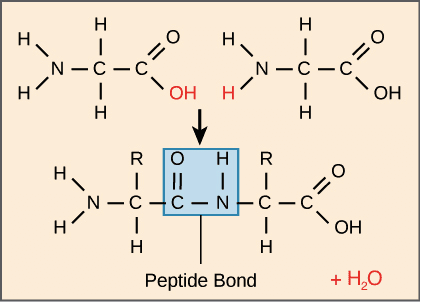
c) Formation of DNA and RNA by polymerases.
2. Change in the form of molecules
- Molecules with the same number of elements in the structure can have different shapes and properties.
- In one form, they can be active, while in another form, inactive.
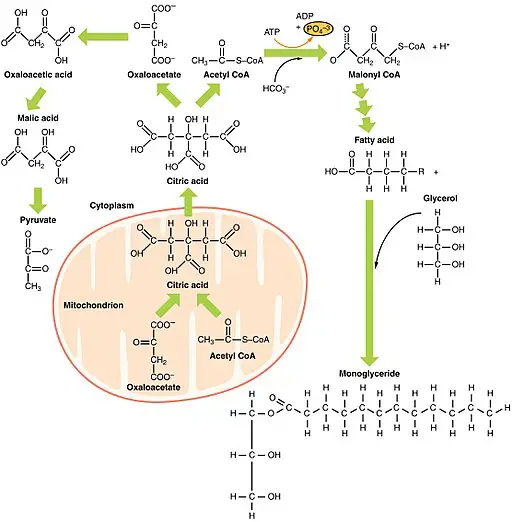
- In the image above, you can notice that oxaloacetic acid converts Malic acid.
- Both are similar chemically. Thus, these molecules are interconverted by enzymes such as isomerases.
3. Breakdown of large to small molecules
- Enzymes also break down large molecules into smaller ones to meet the body’s needs and facilitate excretion.
Examples:
a) Starch is broken down to release glucose in the gut in the presence of the digestive enzyme amylase.
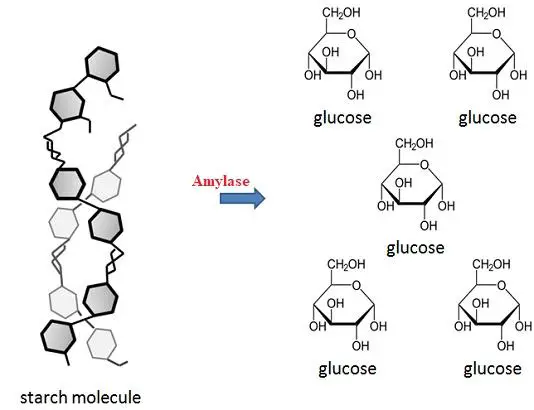
b) Glycogen is broken down into glucose by the enzyme glycogen phosphorylase
4. Enhancing the solubility or converting lipophilic molecules to hydrophilic ones
- When a substance is lipophilic, it tends to be distributed in the tissues and cells.
- When it is hydrophilic, it tends to stay in the body’s water compartment, i.e., blood and other fluids.
- But a substance can be easily expelled in urine only if it is hydrophilic.
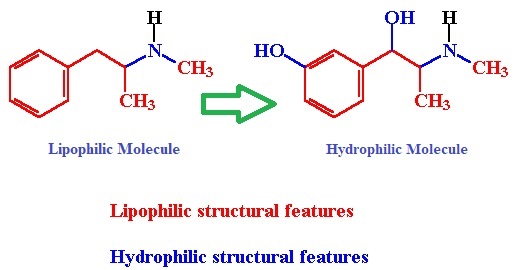
- Hence, lipophilic substances are converted to hydrophilic ones by enzyme action.
One common example of such a reaction is glucuronidation.
5. Minimizing the toxicity of substances
When a substance is toxic to the body due to its chemical nature, it is metabolized by enzymes into a non-toxic form.
Here, uridine 5′-diphosphoglucuronic acid is allowed to react with drugs and substances containing functional groups such as -OH, -NH2, and -COOH.
Also, see Examples of metabolic pathways.
