25 Differences between Gram-positive and Gram-negative bacteria

Bacteria are broadly classified as gram-positive and gram-negative bacteria based on the Gram stain. But both types are Prokaryotic cells and similar in many aspects. …
Microbiology is the subject which deals with study of microbes and their effects on the body. It also tells how to handle the microorganisms for human use
Bacteria are broadly classified as gram-positive and gram-negative bacteria based on the Gram stain. But both types are Prokaryotic cells and similar in many aspects. …
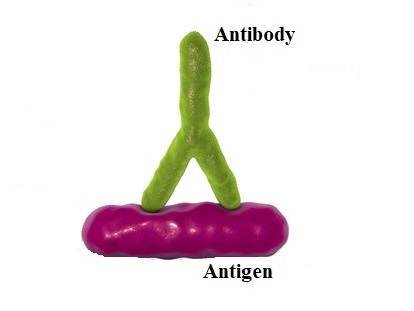
An antigen is an agent located on the foreign cells, which the immune system recognizes. It is an immunogenic portion present on …
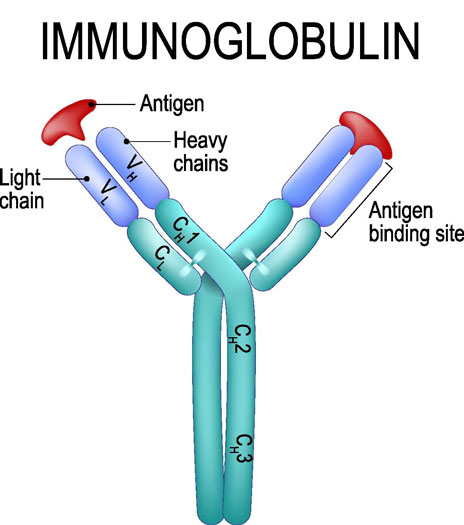
Monoclonal antibodies are those antibodies that target a specific (single-source) antigens. Due to this specificity, these antibodies are used in clinical therapy …

The bacteria and virus are different set of pathogens or living entities. Both of them are microscopic but virus is 10 to …

A citrate utilization test is an identification test for bacteria. It is one of the IMVic series groups of tests where IMViC stands …

VP test is one of the microbiological tests for the identification of bacteria that produce 2,3-Butanediol. In 1898, Voges and Proskauer, a …
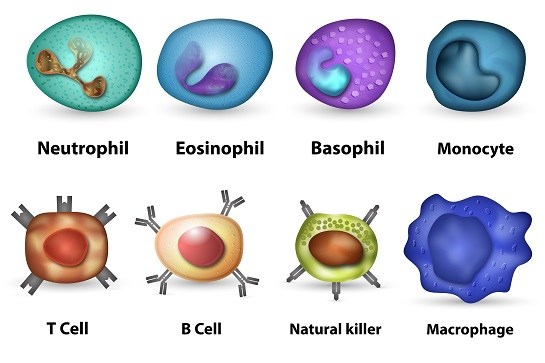
There are five different types of immune cells in our body, like the Of these 5 cells, the lymphocytes, macrophages, and neutrophils …
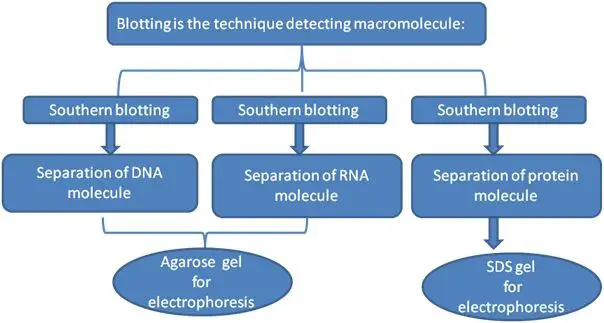
Western blotting is an immunoassay reaction technique that helps to detect protein molecules at nanogram quantities. It is a widely used technique …

An organism is one that lives an independent life. Single-cell organisms are pretty interesting in that they perform all their activities with …

Innate immunity is a part of the immune system that exists from an individual’s birth. The examples include Innate immunity is also …