Visible spectroscopy | Principle, Instrumentation & Applications

Visible spectroscopy is also called as colorimetry. This means it measures colored light (color+metry= color+ measurement). The Principle of Visible spectroscopy This …
Chemistry is the science of study of matter in finest sense, its interactions and existence.
Visible spectroscopy is also called as colorimetry. This means it measures colored light (color+metry= color+ measurement). The Principle of Visible spectroscopy This …
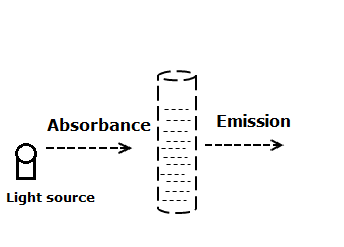
Spectroscopy is a branch of physics that deals with the interaction of light with materials. In other words, it is an analytical …
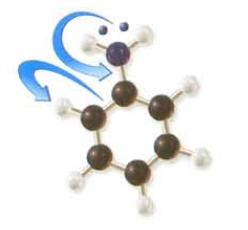
Medicinal chemistry, as the name indicates, deals with the chemistry of medicines. It is one of the essential branches of chemistry and …

The importance of analytical chemistry lies in the fact that it checks the quality of medicines, food and other chemical used in …

Titration is a method of estimation of the strength of a given substance in analytical chemistry. These Titrations are carried out to …
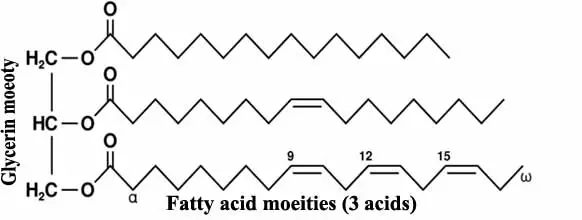
Oils and fats are routine ingredients we use as part of our food. To check their quality, they are analyzed by 1. …
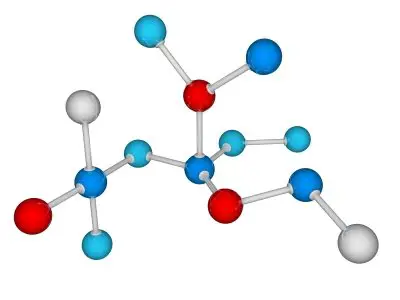
The substances having the element “Carbon” in them are called organic compounds. The study of the chemistry of these compounds is called …

Essential oil is a volatile oil obtained from plants. They have a strong odor and undergoe evaporation on exposure to normal temperature. …
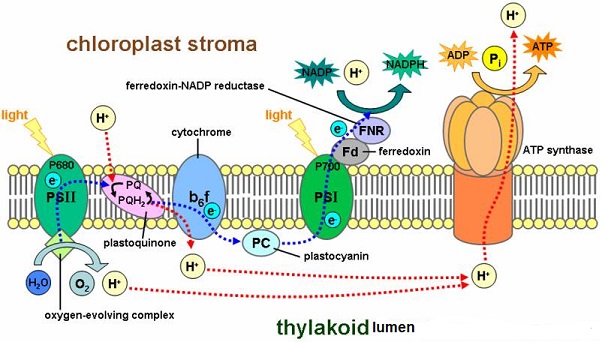
Mitochondria is one of the important cell organelles. It plays a major role in energy generation and also apoptotic cell death. Mitochondria …

Different types of titrations are used in the field of analytical chemistry to evaluate chemical compounds like the Acid-base titrations Redox titrations …