6 Differences between Chromatography and Electrophoresis
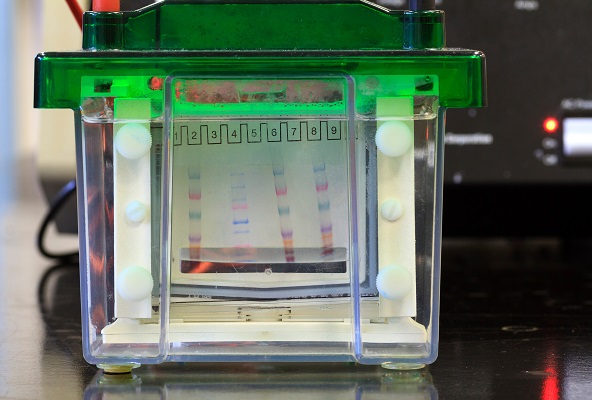
Chromatography and electrophoresis are the analytical techniques that rely on the separation of the sample components. But, the knowledge of the differences between …
Chromatography and electrophoresis are the analytical techniques that rely on the separation of the sample components. But, the knowledge of the differences between …
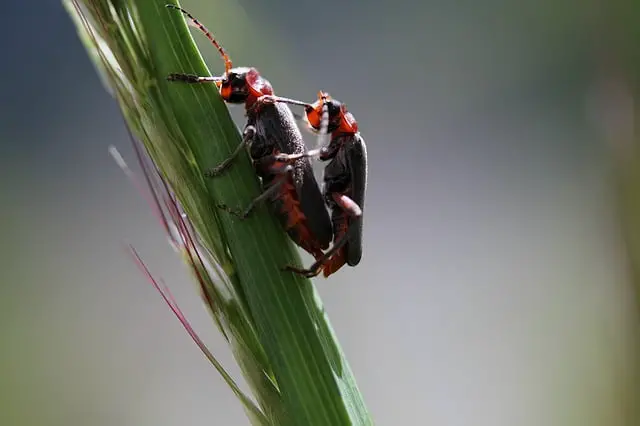
Reproduction is the process of the continuation of a living species. This continuation happens by giving birth to the progeny or offspring …
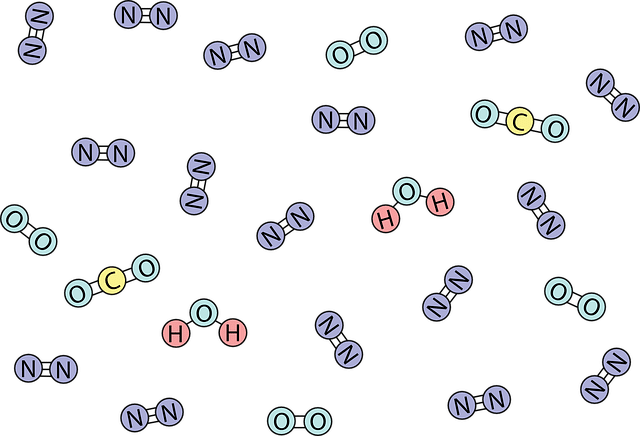
Nitrogen is natural gas available in the air with a concentration of 78.09%. It forms 78% of the earth’s atmosphere, making it the largest …

Sodium is one of the most widely used elements. It is not readily available in the molecular form or elemental form. But …

Cell division is a process by which new cells are formed from old ones. The cellular components, especially the paired DNA strands …
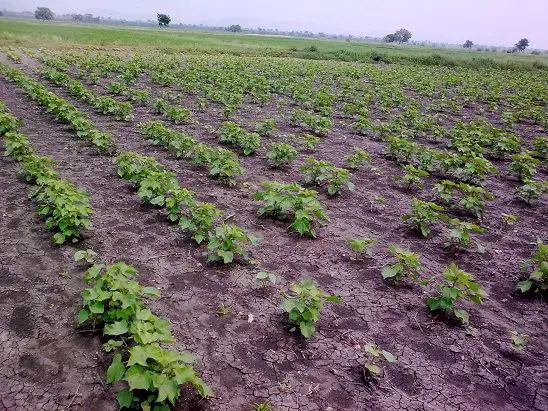
Agriculture is an important source of livelihood for people in most parts of the world. It involves laborious work, yet it contributes …
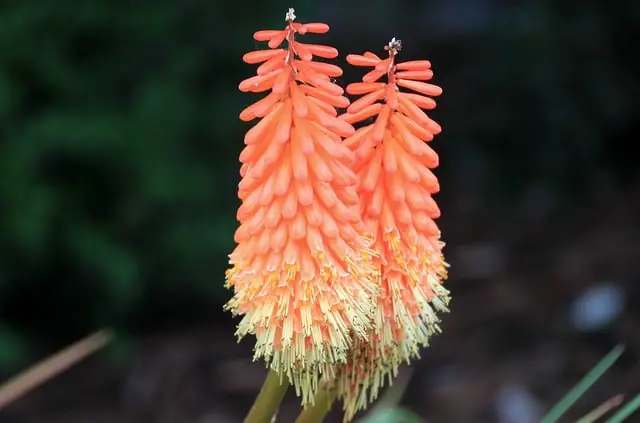
Flowers are the most beautiful parts of plants. The inflorescence is a modified form of a flower but looks like a bunch …
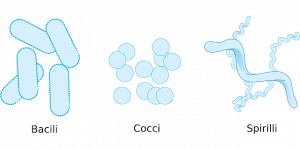
Bacteria are single-celled microorganisms that are invisible to the naked eye. They are classified under plants and not animals due to similar …
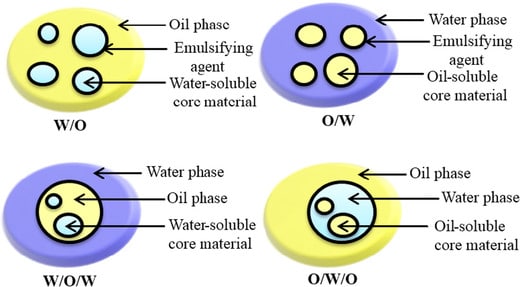
Emulsions are bi-phasic liquid solutions. They are used for drug delivery in medicine, cleaning oil and greasy surfaces, storing substances, etc. The …

There are three states of matter in nature like the solid, liquid, and gas. The li Both liquids and gases are materials …