6 Types of Enzyme Inhibition with Mechanisms and Medical Examples

Enzymes are biomolecules that catalyze the conversion of a substrate into a product in living beings. These enzymes can be inhibited by 4 mechanisms, …
Enzymes are biomolecules that catalyze the conversion of a substrate into a product in living beings. These enzymes can be inhibited by 4 mechanisms, …
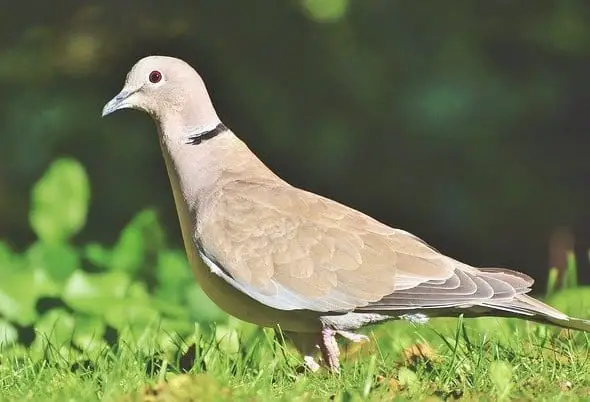
Birds are vertebrate animals that have a distinct ability to fly. Unlike mammals and reptiles, their forelimbs are modified into wings, which …
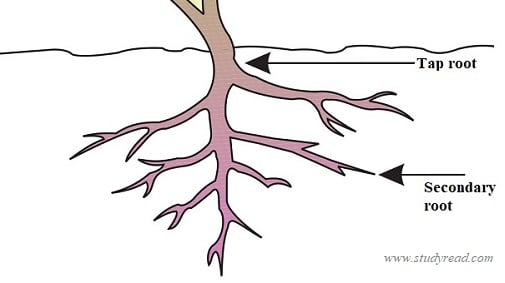
A root system is part of the plant that holds it to the ground and supply water and other essential nutrients. All …
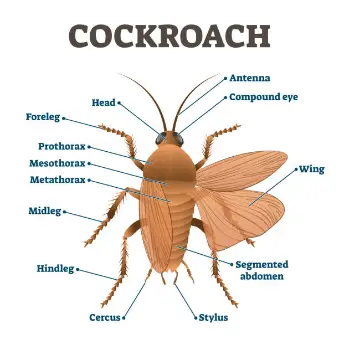
The anatomy of a cockroach can be viewed as the external and the internal anatomy. It is an insect and its structure …

The circulatory system is one of the most important organ systems of our body. It is essential for the transport of gases, …
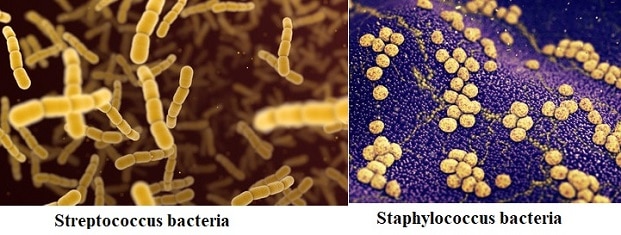
Streptococcus and Staphylococcus bacteria are widely found in humans and animals. They are non-motile, do not undergo spore formation, and are even …
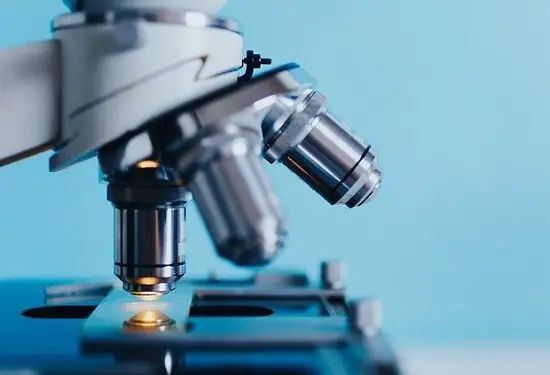
A microscope is a device used to observe minute objects invisible to the naked eye. It is one of the important discoveries …
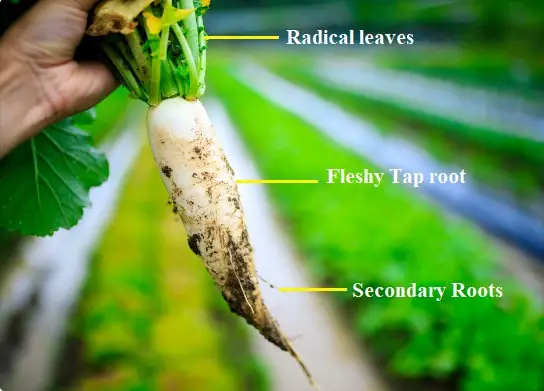
The root is a part of the plant present under the soil. Its primary function is to absorb water and minerals that …

An earthworm’s Digestive System is quite similar to that of higher animals. It ingests food by the pumping action of its pharynx. …
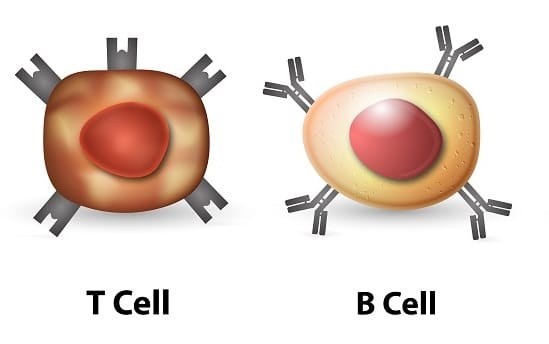
T lymphocytes and B lymphocytes are both white blood cells involved in the fight against infections in our bodies. They provide immunity …