Exotoxin Vs Endotoxin | 25 Differences, Types and Examples
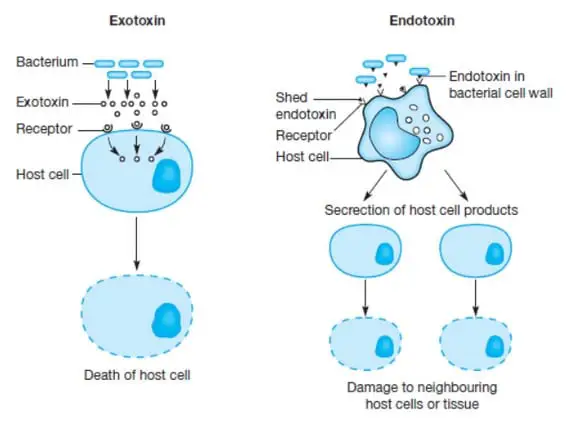
Bacteria release substances that are harmful to the host. These are exotoxins and endotoxins. Exotoxins are toxic substances that are secreted by …
Bacteria release substances that are harmful to the host. These are exotoxins and endotoxins. Exotoxins are toxic substances that are secreted by …

The digestive system of the frog includes the alimentary canal (alimentary tract) and the various associated digestive glands. Digestive System of Frog …
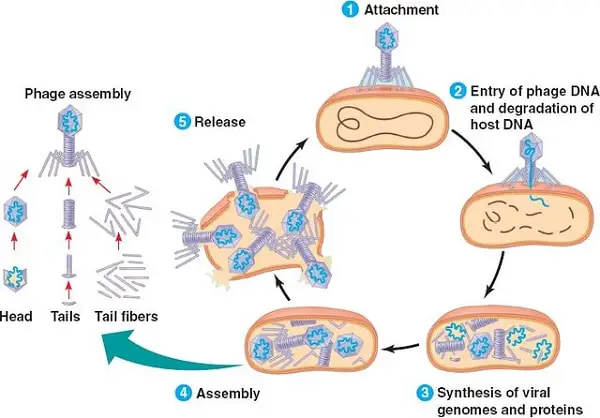
A virus undergoes multiplication inside the host cells to produce a number of virions. This occurs as the virus genome takes control …
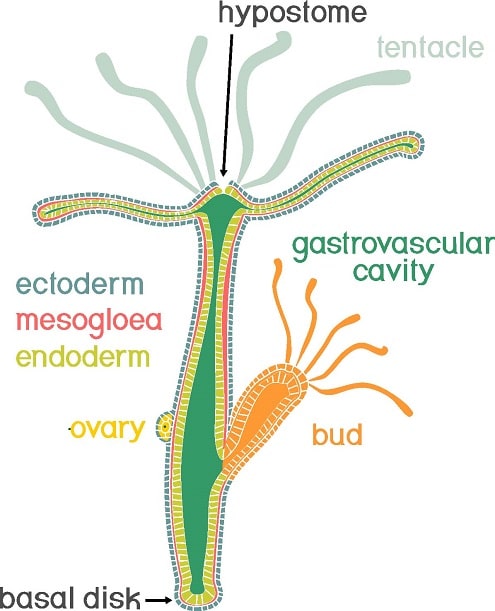
Hydra is a freshwater organism belonging to the phylum Cnidaria. It is a multi-cellular organism, yet it is not highly evolved in …
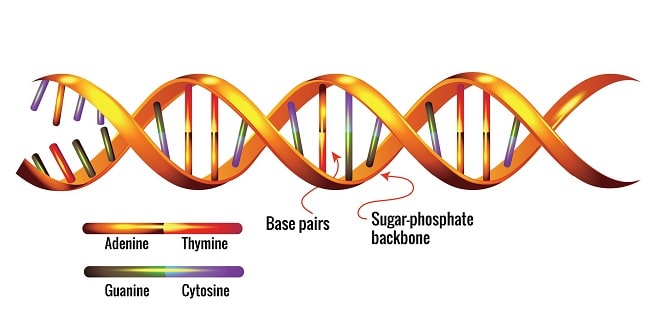
DNA and RNA are considered as the essential nucleic acids. Besides, ATP, i.e., adenosine triphosphate, is also a nucleic acid. These are …

The root is the descending part of the plant axis, which lies inside the soil. It contains the following parts like The …
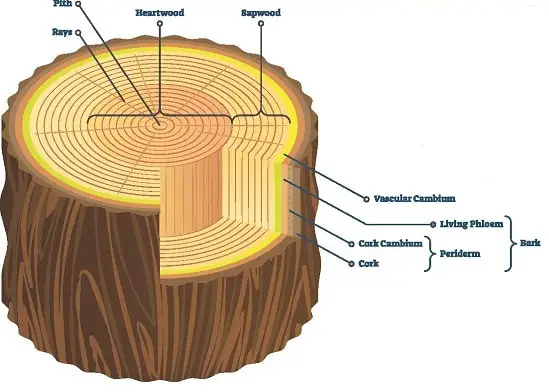
The stem is the visible part of a plant that hold holds it above the ground. This stem develops from the shoot …

Chromosomes are genetic material present in the cell nucleus. Chromatids are the parts of the chromosome present as two arms. Differences Between …
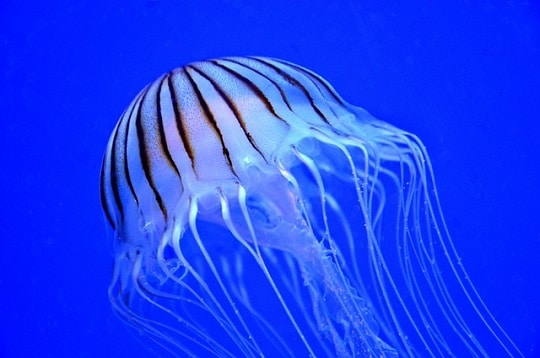
Cnidaria is a class of animals that are found in marine and aquatic environments. They come under the coelenterate phylum. Cnidaria Characteristics …

Gymnosperms are considered primitive plants, while angiosperms are advanced. There are a few characteristic differences between them. Gymnosperms vs Angiosperms Sl.No Character …