Antibiotics Classification | Their Definition, function & mechanism

By definition, antibiotics are natural molecules that, in small doses, destroy bacteria without affecting the body cells. There are classified as Antibiotics are …
By definition, antibiotics are natural molecules that, in small doses, destroy bacteria without affecting the body cells. There are classified as Antibiotics are …
Recombination DNA or rDNA technology is developed to produce essential biologicals on a wide scale. It is the “process of isolating the …

A particle is a fine solid material formed either due to condensation of fine solid mass or breakage of large solid mass into smaller …

Insecticides and Pesticides are some of the most toxic chemicals used in the present world regularly. Insecticides are agents used to kill …
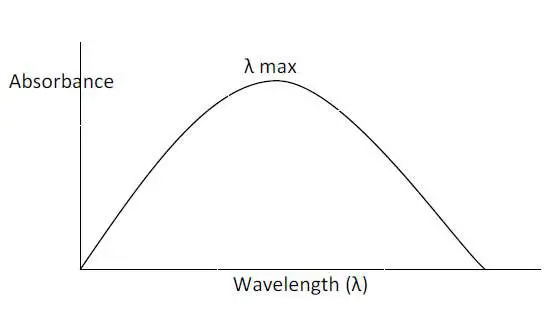
Spectroscopy is the measurement and interpretation of electromagnetic radiation that is absorbed or emitted by a sample. This absorption or emission happens …
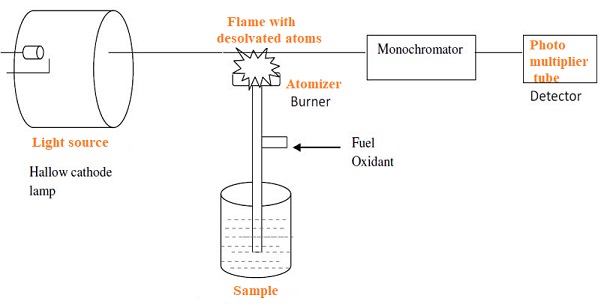
Atomic absorption spectroscopy (AAS) is another interesting type of spectroscopy. It is specifically designed for the analysis of the metals and metalloids …

Enzyme immobilization is a technique wherein enzymes are attached to certain inert materials to enhance their stability. Due to this immobilization, enzymes …

Beneficial Bacteria definition These are the bacteria that are helpful to other living organisms through the way of nutrition, health, or any …
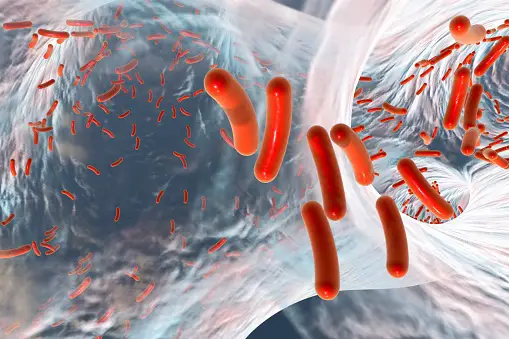
Bacteria are unicellular organisms present in the entire biosphere. They have vital importance on earth and hence studied extensively in microbiology. You …

Fingerprints are the most reliable source of a person’s identity. No two fingerprints are identical among millions of comparisons. It is estimated …