Types of Magnet |Their Differences with Examples
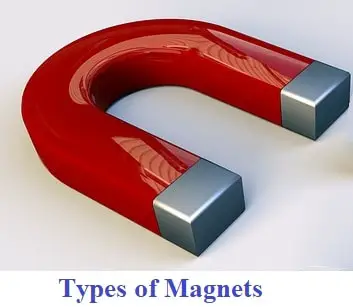
A magnet is an object that produces a force that attracts other ferromagnetic materials like iron. A magnet can also either attract …
A magnet is an object that produces a force that attracts other ferromagnetic materials like iron. A magnet can also either attract …
Hydrobromic acid is a diatomic molecule that is a colorless gas at room temperature. It is also called hydrogen bromide and its …

Metals are a set of elements with distinct characters. The periodic table has a total of 118 elements, and of them, 91 …
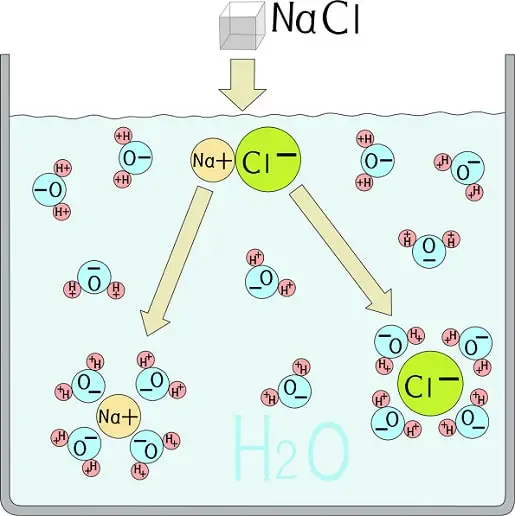
The difference between atoms and ions may seem small — just a change in charge — but it’s one of the most …

What is a thermostat? A thermostat is an instrument which keeps the temperature of a system at a constant level. It is …
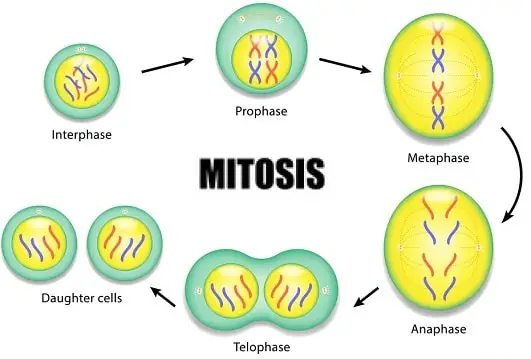
A cell divides by either of the two processes, namely mitosis and meiosis. Of these two, mitosis is quite common as all …

Sodium hydroxide is a white, odorless and crystalline solid substance available as circular pellets in the chemical laboratory. One should be careful …

Lead is one of the toxic heavy metals and its presence is undesirable in medicinal substances. The lead contamination can occur due …

Mass spectrometry is used to determine the mass and molecular structure of a compound. Unlike other spectroscopy techniques, here the electromagnetic radiation …
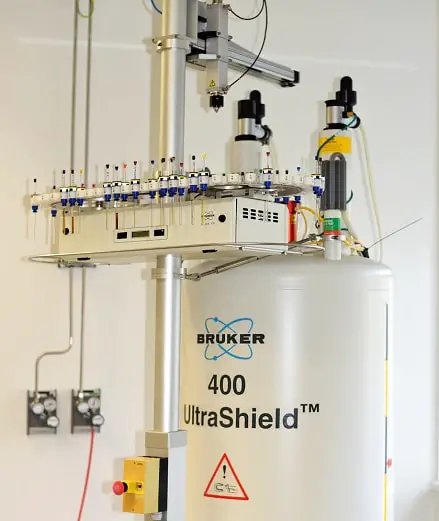
Nuclear magnetic resonance spectroscopy is one that studies the spin changes at the nuclear level. This spin change occurs when a radio …