Pharmacology vs Toxicology | 10 Basic Differences

Pharmacology is a science that studies the effect of a drug and the body’s response to it. It is aimed at bringing …
Pharmacology is a science that studies the effect of a drug and the body’s response to it. It is aimed at bringing …
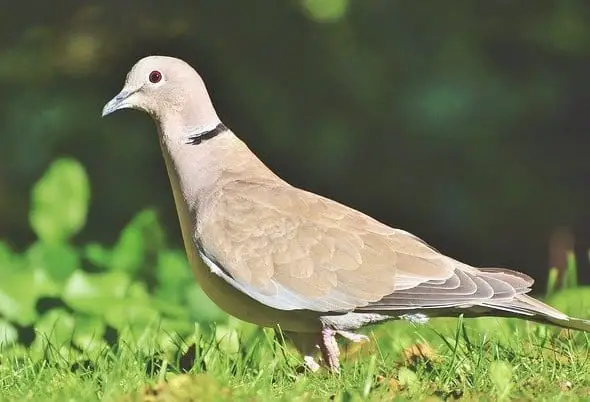
Birds are vertebrate animals that have a distinct ability to fly. Unlike mammals and reptiles, their forelimbs are modified into wings, which …

Rocks and stones are naturally formed solid matter. They are hard, robust, and long-lasting. They are beneficial to both men and the …
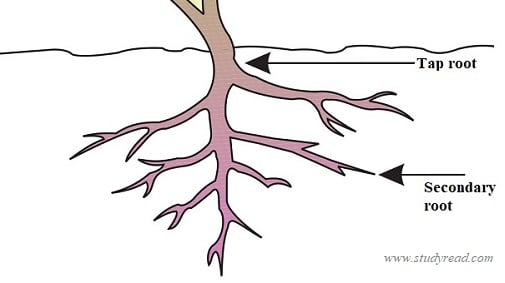
A root system is part of the plant that holds it to the ground and supply water and other essential nutrients. All …

A material can undergo either a chemical change, physical change, or sometimes both. The key differences between chemical and physical change are …
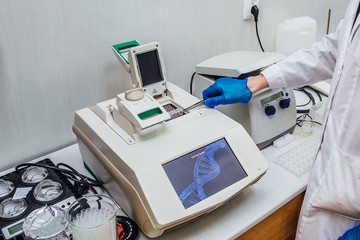
The polymerase chain reaction, or PCR, was originally developed by Kary Mullis, for which he was awarded the Nobel Prize in 1993. …

Bacteria are broadly classified as gram-positive and gram-negative bacteria based on the Gram stain. But both types are Prokaryotic cells and similar in many aspects. …
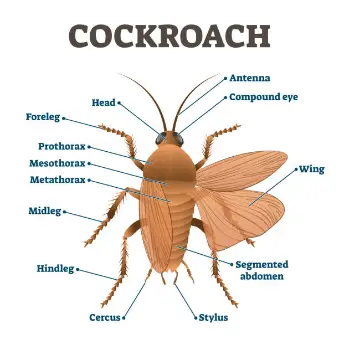
The anatomy of a cockroach can be viewed as the external and the internal anatomy. It is an insect and its structure …

The circulatory system is one of the most important organ systems of our body. It is essential for the transport of gases, …
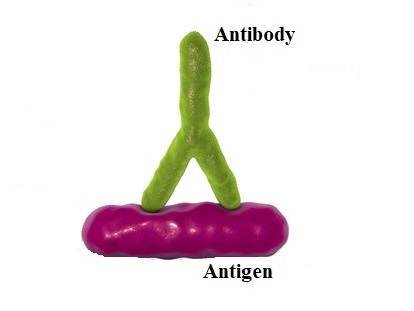
An antigen is an agent located on the foreign cells, which the immune system recognizes. It is an immunogenic portion present on …